


Table of Contents
- What Is Toxic Masculinity in Filipino Culture?
- Where Does This Pressure Actually Come From?
- What Toxic Filipino Behaviors Come From This Mindset?
- How Does It Affect Filipino Men’s Mental Health?
- How Does It Ripple Into Filipino Families?
- How Are Filipinos Challenging Toxic Masculinity Right Now?
- Why Does Emotional Masking Make This Harder to Fix?
- The Real Work Starts With One Honest Conversation
- Frequently Asked Questions
- Toxic masculinity in Filipino culture teaches men that vulnerability is weakness, which drives real, measurable mental health harm.
- The pressure to provide fuels everything from the OFW phenomenon to delayed independence and strained family relationships.
- Grassroots movements, workplace reform, and small daily habits like protected personal time are already shifting the norm.
Toxic masculinity in Filipino culture shows up in small, ordinary moments long before anyone names it that. A father who never once says “I’m proud of you.” A husband who’d rather drink alone than admit he’s overwhelmed. A teenage boy told to “man up” the first time he cries in public. None of it looks dramatic. All of it adds up.
This mindset isn’t about masculinity itself. Strength, discipline, and responsibility aren’t the problem. The problem is a narrow script that tells Filipino men there’s only one acceptable way to be a man: stoic, dominant, and endlessly capable of providing. Anything outside that script gets read as weakness.
What Is Toxic Masculinity in Filipino Culture?
Toxic masculinity in Filipino culture is the set of unwritten rules that reward emotional suppression, dominance, and constant financial providership in men, while punishing vulnerability as a character flaw. It shows up in families, workplaces, sports, and casual conversation, often disguised as “just how things are.”
It isn’t unique to the Philippines. But it takes a distinctly Filipino shape, shaped by decades of colonial history, Catholic teaching on gender roles, and a culture that still equates manhood with self-sacrifice for the family. Understanding that shape is the first step toward actually changing it, rather than just naming it and moving on.
Where Does This Pressure Actually Come From?
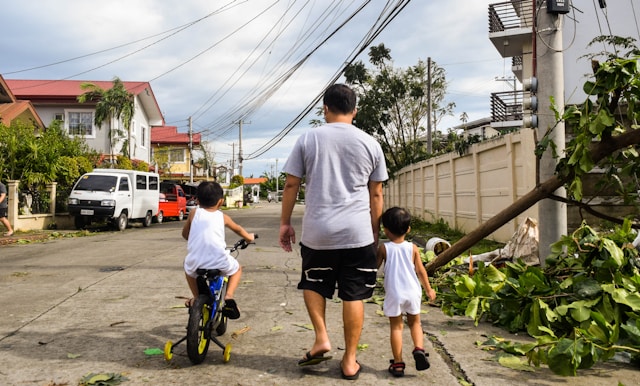
Traditional Filipino households assign fairly rigid roles. Fathers protect and provide. Mothers nurture and manage the home. Boys absorb the “protector” role early, often before they’re old enough to understand what it costs them.
Media reinforces it further. Local films and television have long celebrated the macho archetype: hot-tempered, hard-drinking, quick with his fists, slow with his feelings. Barkada culture, workplace hierarchies, and even faith communities repeat the same message in different words.
None of this is malicious on purpose. Parents pass down what they were taught. But repetition is exactly how a harmful norm becomes invisible.
What Are the Traditional Gender Roles Behind It?
Traditional Filipino gender roles split emotional labor and financial duty right down the middle, and that split gets set early. Girls are raised to nurture, listen, and hold the family together emotionally. Boys are raised to provide, protect, and keep their struggles to themselves.
By the time a boy reaches his twenties, he’s had two decades of practice hiding what he feels. Unlearning that takes far longer than the conditioning that created it, and most men never get the chance to try, because nobody around them models a different way to be.
Faith and family loyalty make the pattern even stickier. Questioning the provider-protector role can feel, to a lot of Filipino men, like questioning their family and their faith at the same time. That’s a much bigger ask than simply “opening up.”

What Toxic Filipino Behaviors Come From This Mindset?
These patterns are easy to miss because they get treated as normal, even admirable, instead of harmful.
A few show up constantly:
- The “tough guy” persona, where showing hurt, fear, or sadness gets mocked as bakla (or gay) or weak
- Breadwinner pressure, where a man’s entire worth gets tied to his paycheck and his ability to support extended family
- Hypermasculine gatherings, where heavy drinking and bragging about sexual conquests function as unofficial rites of manhood
- Macho sports culture, where aggression is rewarded and injuries get played through in silence
- Workplace stoicism, where asking for help or flexibility reads as unprofessional rather than reasonable
Each one looks small on its own. Together, they teach boys that their emotional world is something to hide, not manage.
How Does It Affect Filipino Men’s Mental Health?
The emotional toll runs deep, and it’s measurable. Statista data shows mental health concerns rising sharply among Filipino men aged 20 to 35, the exact age range most shaped by these masculine expectations.
Men raised on this script rarely seek therapy voluntarily. Admitting to depression or anxiety feels like proof they’ve failed at being a man. That silence correlates with higher rates of substance use, strained relationships, and, in the most severe cases, suicidal thinking.
The World Health Organization has flagged something similar globally: actively engaging men in conversations about masculinity improves outcomes not just for mental health but for sexual and reproductive health too. The pattern isn’t unique to the Philippines, but the stakes are just as real here.
The Cost Isn’t Only Emotional
Untreated stress and anxiety don’t stay contained to a person’s inner life. They show up as absenteeism, burnout, workplace accidents, and lower productivity, costs that businesses and the broader economy quietly absorb every year.
Relationships take a hit too. Partners of men who can’t express distress often describe a specific kind of loneliness: sharing a home with someone who’s physically present but emotionally unreachable. Over time, that gap wears down even strong marriages.
How Does It Ripple Into Filipino Families?
The pressure to provide doesn’t stay contained to one person. It reshapes entire households, and it’s a big part of why the OFW phenomenon has lasted as long as it has. Men who feel they can’t earn enough at home leave for years at a stretch, because staying and earning less feels like failing at manhood itself.
That absence has a cost nobody budgets for. Children grow up parenting themselves emotionally. Spouses run entire households solo while quietly resenting a partner who won’t say he’s struggling either.
Even the unica hija tradition, where the eldest daughter is groomed early to help carry the family financially, exists partly because sons are still expected to eventually take over as the household’s main earner, whether they’re ready or not. The pressure just lands on different children depending on birth order and gender.
Does the Housing Squeeze Make This Worse?
Financial provider pressure gets sharper in cities, where independence is expensive. Many young men delay moving out because leaving the family home, even into a modest condo for rent nearby, can look like abandoning their duty rather than a normal step toward adulthood.
Choosing to live on your own terms, in whatever space actually fits your budget and season of life, instead of staying put purely out of obligation, is a small but real act of pushing back against that script. Condo living specifically has become more common among young Filipino professionals for exactly this reason. It says providing for family doesn’t have to mean disappearing into it.
How Are Filipinos Challenging Toxic Masculinity Right Now?
Change is happening, just unevenly. Grassroots groups now run men’s circles and awareness campaigns specifically aimed at reframing what strength looks like, often starting the conversation with something as simple as letting men admit they’re tired.
Some of the most effective work happens quietly, in barangay halls and community centers rather than on social media. Facilitators trained in basic mental health first aid teach men how to check in on each other without it feeling like an intervention. It’s a low-key approach, but it’s changing how younger men talk to their fathers and to each other.
Companies serious about this shift are bringing in UX consultants to redesign internal tools, so employees can flag burnout or request mental health support without a face-to-face confrontation that machismo culture still discourages. That kind of quiet, low-friction system matters more than another poster in the break room.
Workplaces open to gentle productivity, pacing work around real energy levels instead of nonstop hustle, give men room to admit they’re overwhelmed instead of pushing through in silence until something breaks. Universities are folding gender studies into mainstream curricula so the next generation questions the script earlier than their parents did.
Why Does Emotional Masking Make This Harder to Fix?
Many men perform an approved version of themselves at work, at home, and even with close friends. That pattern has a lot in common with creative masking, where someone hides the parts of their personality, like humor, softness, or artistic instinct, that don’t fit what’s expected of them.
The exhausting part isn’t the performance itself. It’s that most men do it so consistently they stop noticing they’re doing it at all.
What Can Individuals and Communities Actually Do?
Undoing decades of conditioning takes more than one conversation, but a few starting points make a real difference:
- Naming the behavior out loud when you see it, instead of laughing it off as normal
- Making space for male friends and family to talk about stress before it becomes a crisis
- Modeling flexible work arrangements and openly using mental health days
Protecting real, scheduled personal time instead of treating rest as something to earn
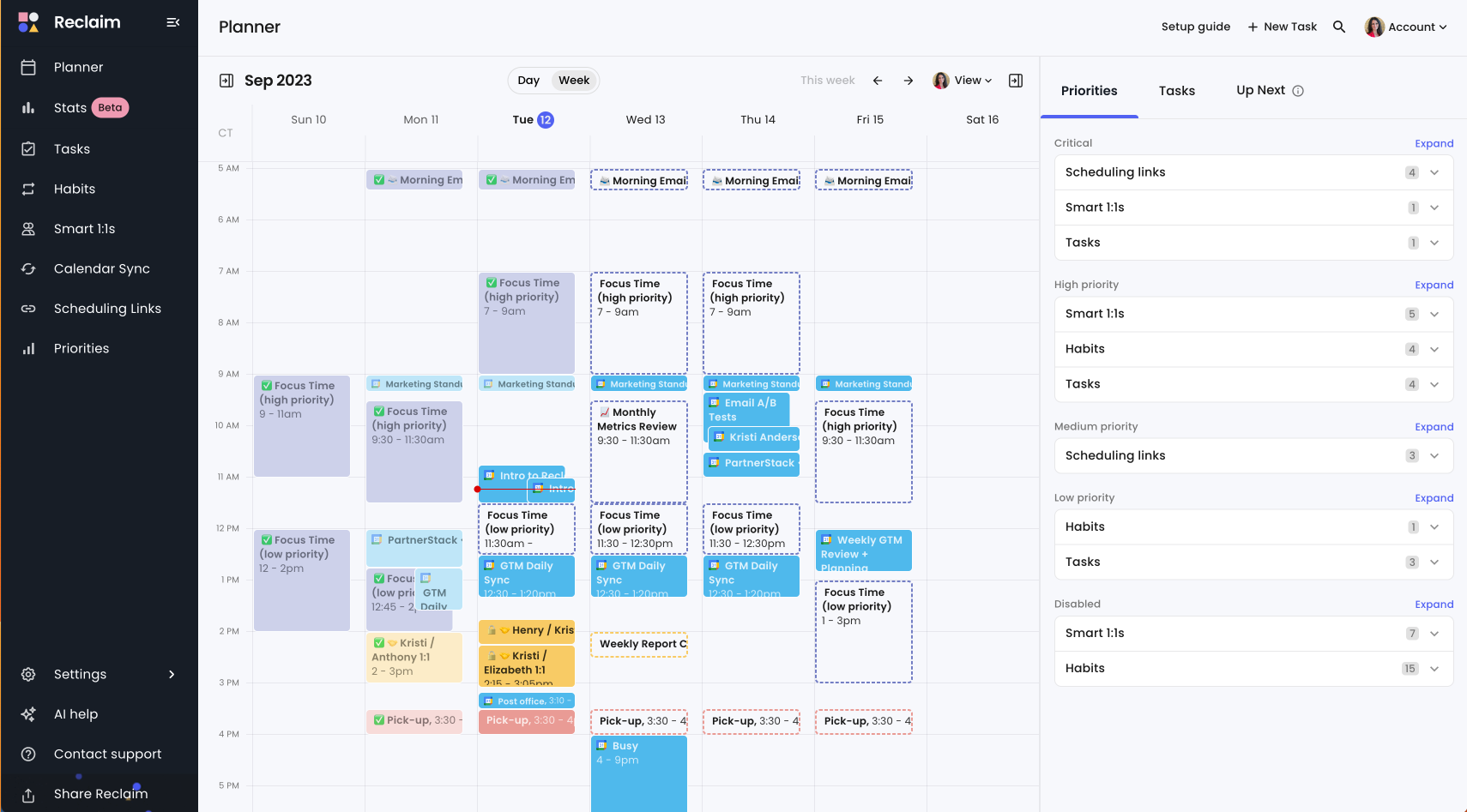
That last one sounds small, but it’s often where change actually starts. Tools like Reclaim AI can automatically block time for therapy, workouts, or family check-ins around a packed work schedule, so self-care stops being the first thing that gets cancelled when life gets busy.
The Real Work Starts With One Honest Conversation
Toxic masculinity in Filipino culture won’t disappear because of a single campaign or a viral post. It changes one household, one workplace, one honest conversation at a time, each one chipping away at the idea that silence equals strength.
Filipino men don’t need to reject their culture to get free of this. Bayanihan, close family ties, and hard work aren’t the problem, and nobody’s asking anyone to give those up. What needs to change is the part that says asking for help cancels out being strong.
They need permission, from themselves and from the people around them, to be fully human: capable, yes, but also allowed to be tired, scared, or unsure sometimes. That permission tends to start small, inside one household, long before it shows up in a policy or a headline.
Protect the Time You Need to Actually Recover
Breaking free from the “always-on provider” script starts with guarding time for yourself, not just everyone else.
Reclaim AI automatically blocks time on your calendar for therapy, rest, workouts, or family check-ins, so self-care doesn’t quietly get cancelled every time work gets busy.
Frequently Asked Questions
What is toxic masculinity in Filipino culture?
It’s the set of cultural expectations that pressure Filipino men to suppress emotion, avoid vulnerability, and measure their worth by how much they provide financially.
Why do Filipino men rarely seek mental health support?
Asking for help often feels like admitting failure as a man, since the culture links masculinity so tightly to stoicism and self-sufficiency.
Can toxic masculinity in Filipino culture actually change?
Yes. Grassroots campaigns, workplace reforms, and open conversations at home are already shifting how younger generations define strength and manhood.
Tags:
mental health
Maria is a digital marketing professional, specializing in content marketing and SEO. She's a neurodivergent who strives to raise awareness, and overcome the stigma that envelopes around mental health.





No Comment! Be the first one.