

Table of Contents
- Why Rigid Planning Fails ADHD Creatives
- What Is Cognitive Pacing?
- Task Batching: Work With Your Natural Energy
- Body Doubling: The Accountability Trick That Actually Sticks
- Interest-Based Timers vs. the Pomodoro Technique
- Executive Function Strategies for Creative Workflows
- How to Build Your Flexible ADHD System, Step by Step
- Tools That Help ADHD Creatives Stay Consistent
- Your System, Your Rules: Making This Last
- Frequently Asked Questions
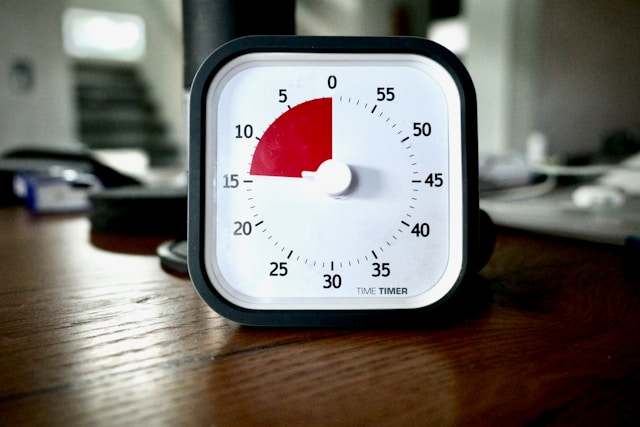
- Rigid systems like the Pomodoro technique often fail ADHD creatives because they ignore how interest-driven attention actually works.
- Task batching, body doubling, and interest-based timers are more sustainable alternatives that align with cognitive pacing instead of fighting it.
- The best ADHD productivity system is the one you build around your real energy rhythms, not borrowed from neurotypical productivity culture.
Most ADHD productivity systems for creatives were never designed with the ADHD brain in mind. They were borrowed from corporate productivity culture, dressed up in colorful templates, and handed to people who needed something fundamentally different.
If you have ADHD and you do creative work, your brain is not broken. It is wired for novelty, interest, and urgency rather than routine and discipline. That is actually a creative superpower. The friction shows up when you try to slot that brain into systems built for someone else entirely.
This guide walks you through a practical, step-by-step approach to building a flexible ADHD productivity system that works with your cognitive rhythms rather than against them. No color-coded perfection required.
Why Rigid Planning Fails ADHD Creatives
Let’s be direct about what most productivity frameworks get wrong. They assume you have consistent energy, predictable attention, and a natural drive to start tasks on schedule. For ADHD creatives, none of those assumptions reliably hold.
The deeper issue is that most systems treat flexibility as a design flaw. A missed Pomodoro session becomes a failure. A day that looks different from the plan feels like evidence that you cannot stick to anything. That narrative is not just unhelpful; it actively keeps you stuck.
The Real Pomodoro Technique Limitations for ADHD Brains
One of the most frequently overlooked Pomodoro technique limitations is that it interrupts hyperfocus. For creatives with ADHD, hyperfocus is not a bug; it is one of your most valuable cognitive states. When you are deep in a creative flow, being forced out of it every 25 minutes can derail your momentum and make it genuinely harder to re-enter that state.
Rigid scheduling also assumes you know how long tasks will take and that your mental energy will stay consistent across those windows. For ADHD brains, neither is reliably true. Attention is driven by interest, urgency, novelty, and challenge. Not by the clock.

What Is Cognitive Pacing?
Cognitive pacing is the practice of matching your work to your actual mental energy rather than forcing yourself into a fixed schedule. Instead of asking “What should I be doing at 2pm?” you ask “What kind of thinking can I actually do right now?”
This is a fundamentally different approach from most time management alternatives you’ve probably encountered. It treats attention as a fluctuating resource rather than a lever you can switch on command. Cognitive pacing works especially well for ADHD creatives because flexibility is built into the system by design rather than treated as a workaround.
Research on ADHD and executive function consistently supports this approach. A study found that interest-driven engagement is one of the primary motivators for task initiation in ADHD adults, reinforcing the case for systems built around internal cues over external timers.

Task Batching: Work With Your Natural Energy
Task batching means grouping similar types of work together so you switch cognitive contexts as rarely as possible. Instead of bouncing between a writing draft, client emails, design revisions, and administrative tasks throughout a single morning, you dedicate specific blocks of time to one category of work.
This is one of the most underrated executive function strategies for ADHD creatives because it directly reduces the mental overhead that comes with constant context-switching. Every transition between task types carries a cognitive cost. For ADHD brains, that cost is higher and the recovery time is longer.
If you’re building a consistent content practice and want a structured way to organize your ideas before batching them into focused sessions, exploring journaling blog content Philippines offers a practical framework for capturing and categorizing your thinking before your workday begins.
A simple task batching structure for creatives might look like this:
- Morning (high energy): Deep creative work such as writing, designing, brainstorming, or drafting
- Midday (moderate energy): Communication tasks including emails, DMs, and feedback reviews
- Afternoon (lower energy): Admin and logistics such as scheduling, invoicing, and light research
You do not have to follow this exact template. The goal is to reduce daily decision fatigue by making fewer cognitive transitions, not to create a new rigid structure that replaces the old one.

Body Doubling: The Accountability Trick That Actually Sticks
Body doubling is one of the most validated and underused tools in the ADHD toolbox. It simply means working alongside another person, whether in the same room or virtually, to help your brain stay anchored to the task in front of you.
The neuroscience behind this is real. The presence of another person activates the ADHD brain’s social awareness system in a way that solo work often does not. You do not need to be working on the same thing. You do not need to talk. The shared presence is the whole point.
Virtual body doubling has taken off significantly in recent years. Communities on Discord, YouTube, and dedicated focus apps now offer co-working spaces for remote workers and independent creatives. If you have been avoiding body doubling because you work from home or you value solitude, virtual formats give you the accountability structure without the social pressure.
For anyone navigating a traditional work environment where ADHD-friendly support is hard to come by, recognizing the toxic traits Filipino workplace culture tends to normalize around focus and productivity can be just as clarifying as finding the right tools. External friction is real, and naming it matters.

Interest-Based Timers vs. the Pomodoro Technique
Here is a reframe that might change how you approach your entire workday. Instead of setting a timer to stop working, set one to check in with yourself. This is the core logic of interest-based timing, and it is one of the most effective flexible planning methods for ADHD creatives.
The approach is simple. You start a task when you feel genuinely interested or ready. Then you set a soft checkpoint timer, anywhere from 20 to 45 minutes, not as a hard stop but as a cue to pause and assess. When it goes off, you ask: Am I still engaged? Do I need to shift? Is a break actually useful right now?
This respects the ADHD brain’s relationship with interest-driven attention while still providing enough structure to prevent drift. It is a meaningful departure from Pomodoro thinking, which treats all tasks as equally time-worthy and all breaks as equally restorative regardless of where your focus actually is.
For a deeper look at how AI planning tools support this kind of flexible, intention-driven scheduling, it’s worth reading about Sunsama vs BeforeSunset AI to find which approach fits your work style best.

Executive Function Strategies for Creative Workflows
Executive function covers a cluster of cognitive skills: planning, prioritizing, starting tasks, managing time, and regulating emotional responses. These are the exact capabilities that ADHD most directly affects. That is why most productivity advice misses the mark entirely; it assumes these skills are fully intact and just need to be applied with more discipline.
Here are executive function strategies that account for ADHD-specific challenges rather than ignoring them:
- Task initiation rituals. Create a small, repeatable starter action that signals to your brain it is time to work. This might be making a cup of tea, opening a specific playlist, lighting a candle, or writing one sentence. The ritual reduces the activation energy barrier that often keeps ADHD creatives stuck at the starting line.
- Externalizing your task list. Do not rely on memory to hold your priorities. Get everything out of your head and into a visible system, whether that is a whiteboard, a sticky note cluster, or a digital tool. Working memory is not a reliable storage system for ADHD brains under load.
- Decision minimization. The fewer choices you have to make during your workday, the more cognitive bandwidth you preserve for actual creative output. Pre-planning your task batches the night before is one of the highest-leverage habits you can build.
The same scaffolding applies outside the office too. If you travel regularly for inspiration or client work, learning to create ADHD-friendly travel plans uses these same executive function principles and keeps your system flexible even when your environment changes.

How to Build Your Flexible ADHD System, Step by Step
Building a sustainable ADHD productivity system does not require an overnight overhaul. Start with one layer at a time and add complexity only after each layer feels natural.
Step 1: Map Your Energy Patterns
Spend one week noting when you feel naturally alert, creative, foggy, or restless. A simple notes app is enough. Look for patterns across at least three or four days before drawing conclusions.
Step 2: Assign Task Types to Energy Windows
Once you have a rough energy map, match your task batches to what your brain can realistically support at each time of day. High-energy windows go to creative or high-stakes work. Low-energy windows go to admin, communication, or routine tasks.
Step 3: Choose a Checkpoint Timer System
Experiment with interest-based timers using the approach described earlier. Try 25, 35, and 45-minute checkpoints across different days to see which interval fits your natural focus rhythm.
Step 4: Set Up Body Doubling At Least Twice a Week
Find a co-working buddy, join a virtual focus community, or use a dedicated accountability app. Frequency matters less than consistency here. Even two sessions a week can shift your baseline significantly.
Step 5: Build in a Weekly Review
A flexible system requires feedback loops. At the end of each week, spend ten minutes asking what worked, what did not, and what you want to adjust. This is not failure; it is iteration, and iteration is exactly how sustainable systems get built.

Tools That Help ADHD Creatives Stay Consistent
The right tools do not build your system for you, but they do lower friction enough that you are far more likely to stick with it.
Reclaim AI
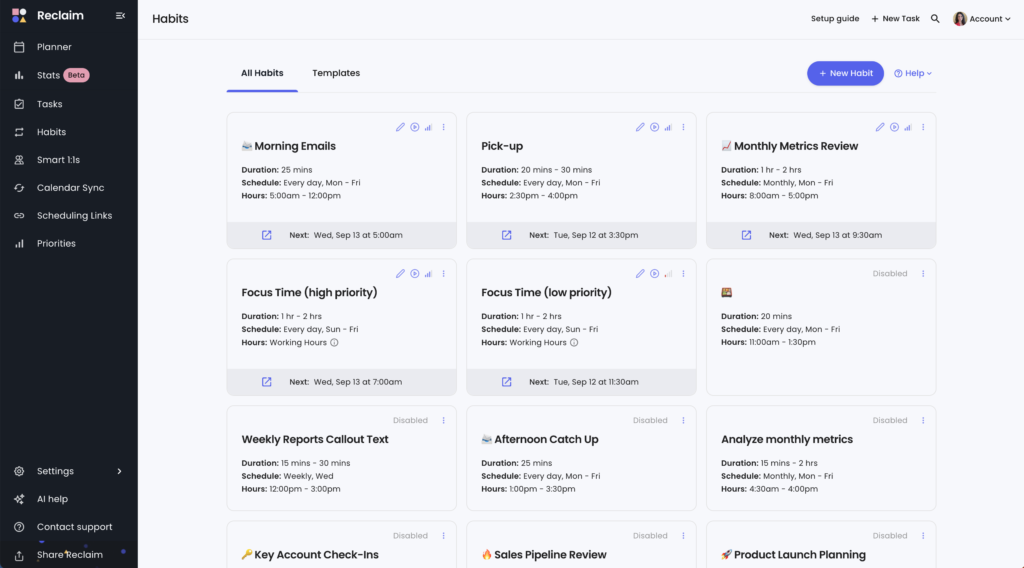
It is one of the strongest scheduling tools available for ADHD creatives right now. It automatically protects time for your priorities, reschedules tasks intelligently when plans change, and handles the cognitive overhead of calendar management so you do not have to. If you have been manually shuffling tasks around your calendar for an hour every morning, Reclaim AI handles that labor for you, which means your mental energy goes toward actual work.
BeforeSunset AI
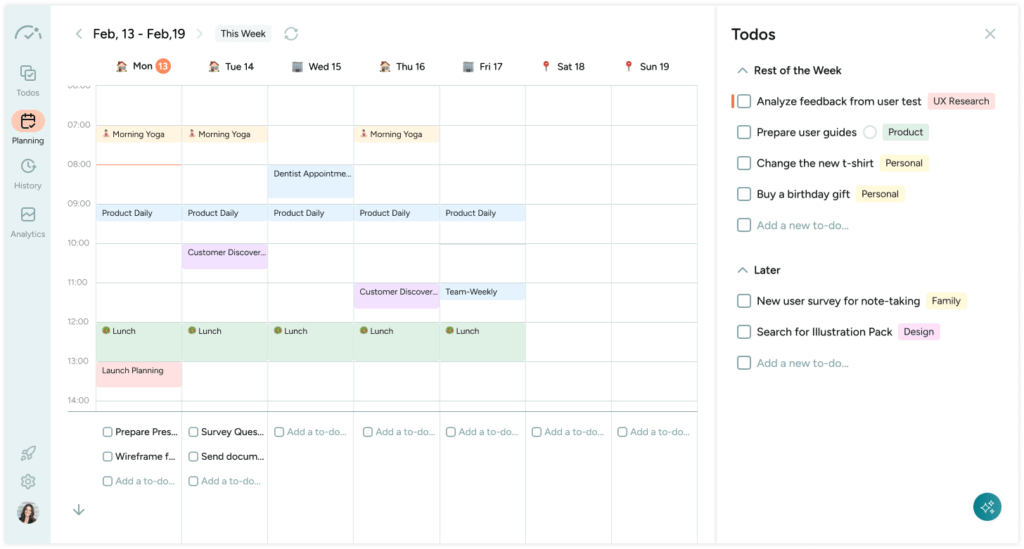
This app takes a gentler approach, centering daily planning around reflection and intention alongside scheduling. It is especially useful if you prefer building your day around your current cognitive state rather than following a fixed time block. Both tools represent a shift in how ADHD productivity systems for creatives are continuously evolving , moving toward adaptive, AI-driven frameworks that flex rather than enforce.
HubSpot
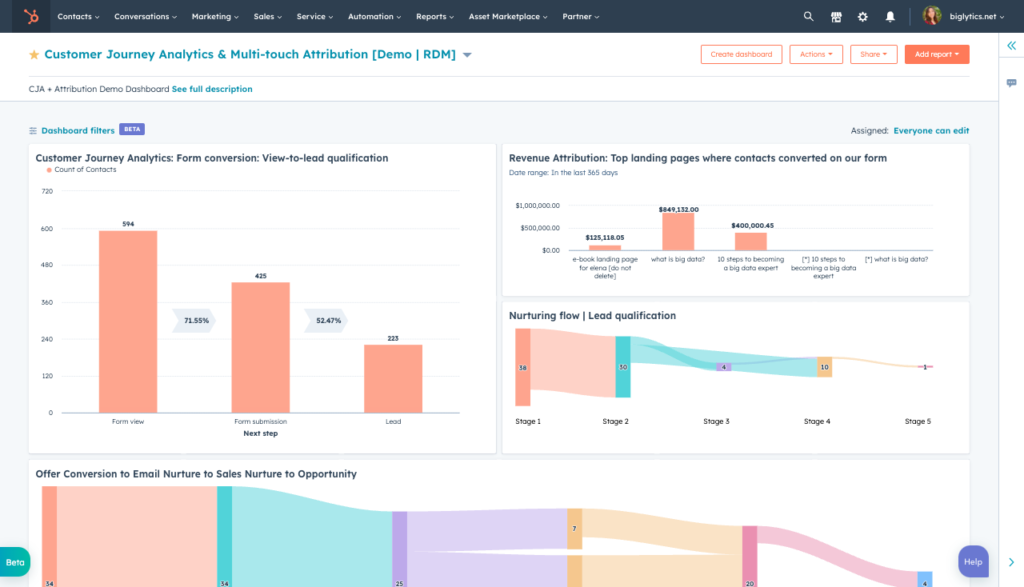
For content creators who are also building their digital marketing engine, HubSpot provides a centralized platform for managing your digital marketing strategy workflow alongside your creative projects, particularly useful if you are juggling client work with your own content output. And if you are growing an email audience as part of your creative business, Bouncer helps keep your list clean and your deliverability strong so the content you create actually reaches the people you built it for.
LearnWorlds
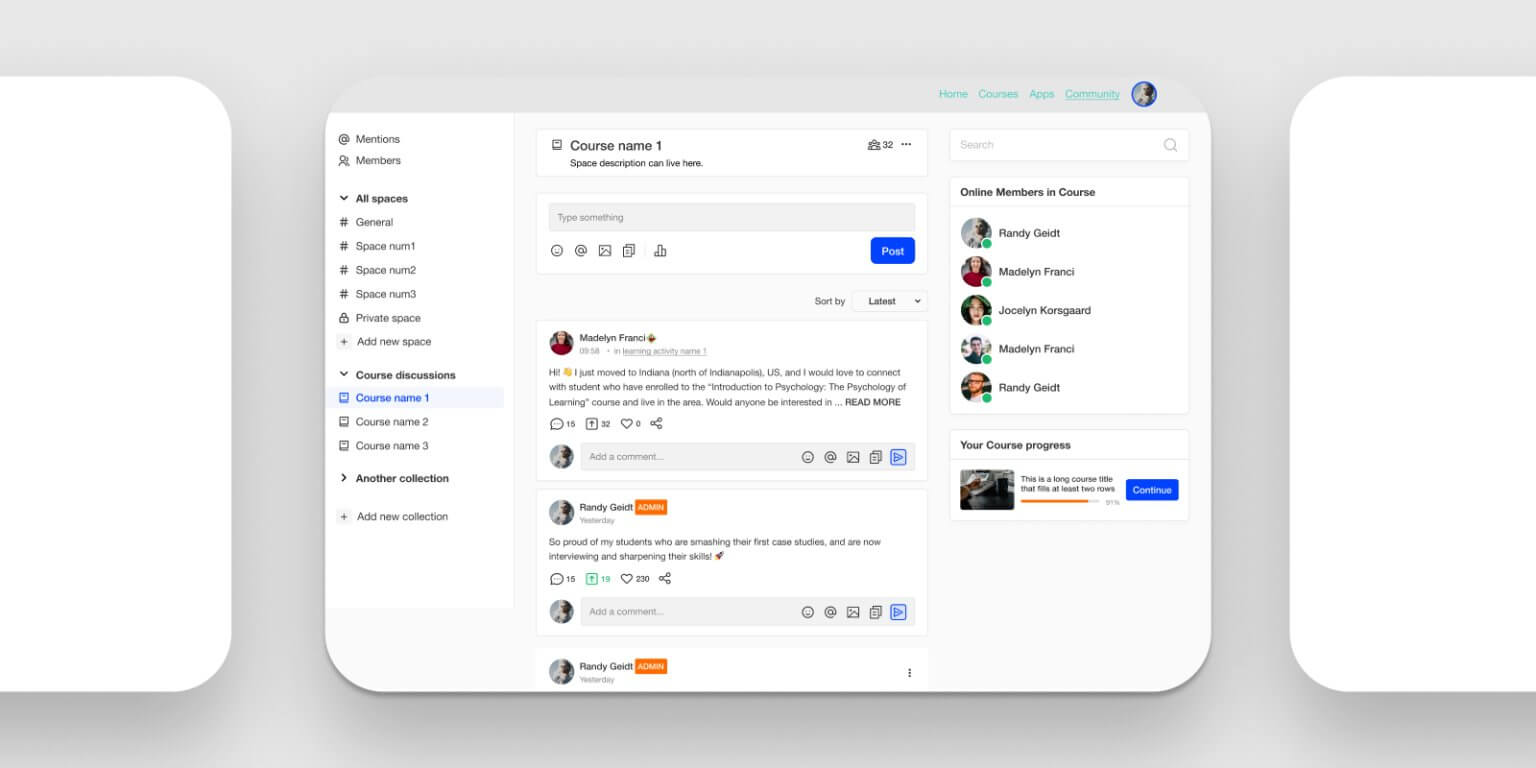
For creatives who teach online courses as part of their business model, LearnWorlds is purpose-built for course creators who want control over the learner experience. It pairs naturally with a task-batched content workflow because you can produce and organize course material in themed creative sessions rather than scattered across your week.
Rank Prompt

For bloggers and content creators looking to streamline repetitive SEO and content tasks, Rank Prompt offers AI-powered prompt systems that reduce the cognitive load of keyword research and optimization, which is meaningful if you are trying to protect your creative energy for higher-level work. Similarly, fatjoe is worth considering for creatives who want to delegate link-building and certain content tasks rather than carrying every piece of their digital marketing load themselves.
There is a broader set of ADHD friendly work tools worth exploring once your core system is in place, depending on your stack and specific workflow needs.
Your System, Your Rules: Making This Last
There is no single ADHD productivity system for creatives that works for every brain. That is actually the point. The goal of everything covered here, cognitive pacing, task batching, body doubling, interest-based timers, and smart tool choices, is to give you a set of building blocks you can rearrange until they fit your real life.
Most productivity frameworks fail ADHD creatives because they were designed for neurotypical consistency. Flexibility is not a workaround in this system. It is the entire architecture.
The moment you stop chasing someone else’s productivity aesthetic and start building something that genuinely works with your brain is the moment your output stops feeling like a battle. Start with one piece of this system this week. Just one. See what sticks. Then build from there.
Ready to Build Your Habits?
If building a flexible ADHD productivity system sounds right but the scheduling piece still feels overwhelming, Reclaim AI takes that complexity off your plate entirely. It automatically protects time for your priorities, reschedules when life happens, and keeps your system flexible without requiring constant manual management.
Frequently Asked Questions
What is the best productivity system for ADHD creatives?
The most effective system combines task batching, body doubling, and interest-based timers to align with how ADHD attention actually works. Flexibility and personalization matter far more than following any single fixed framework.
Why doesn't the Pomodoro technique work well for ADHD?
The Pomodoro technique interrupts hyperfocus and assumes consistent energy across fixed time intervals, both of which conflict with how ADHD brains operate. Interest-based timing offers a more adaptive and sustainable alternative.
How does body doubling help with ADHD productivity?
Body doubling activates the brain’s social awareness system, which helps ADHD individuals stay anchored to tasks they might otherwise delay or avoid. Virtual body doubling works just as effectively as in-person for most people.
Maria is a digital marketing professional, specializing in content marketing and SEO. She's a neurodivergent who strives to raise awareness, and overcome the stigma that envelopes around mental health.


No Comment! Be the first one.