

Table of Contents
- What Is Creative Masking?
- How Masking Shows Up at Work
- The Mental Health and Burnout Toll
- Why Tech and Digital Media Are Especially Draining
- Career Tradeoffs Nobody Talks About
- Self-Advocacy Strategies That Actually Help
- Tools and Support Worth Knowing
- Naming the Exhaustion Is the First Step Forward
- Frequently Asked Questions
- Creative masking is the hidden labor of performing neurotypicality at work, and it is one of the leading drivers of burnout among autistic and ADHD women.
- Tech and digital media environments often reward masking behaviors while simultaneously penalizing the neurodivergent traits that make many of these women exceptional at their jobs.
- Scheduling tools, self-advocacy strategies, and community support can meaningfully reduce the long-term damage of sustained masking.
Creative masking is the daily performance of appearing neurotypical at work, and for many autistic and ADHD women in tech and digital media, it has become so automatic that it barely registers as a choice anymore. You show up to the Zoom call with your camera on, manage your face through three hours of back-to-back meetings, carefully filter every email for tone, and somehow still hit your deadlines. By Friday, you are not just tired. You are depleted in a way that sleep alone cannot fix.
If you are a neurodivergent Filipino woman working in a fast-moving industry, you are probably carrying extra layers of pressure. You are navigating workplace culture, family expectations, and the quiet fear that the moment you stop masking, something professional will slip. This post is for you. It is time to name what is happening and talk about what you can actually do about it.
What Is Creative Masking?
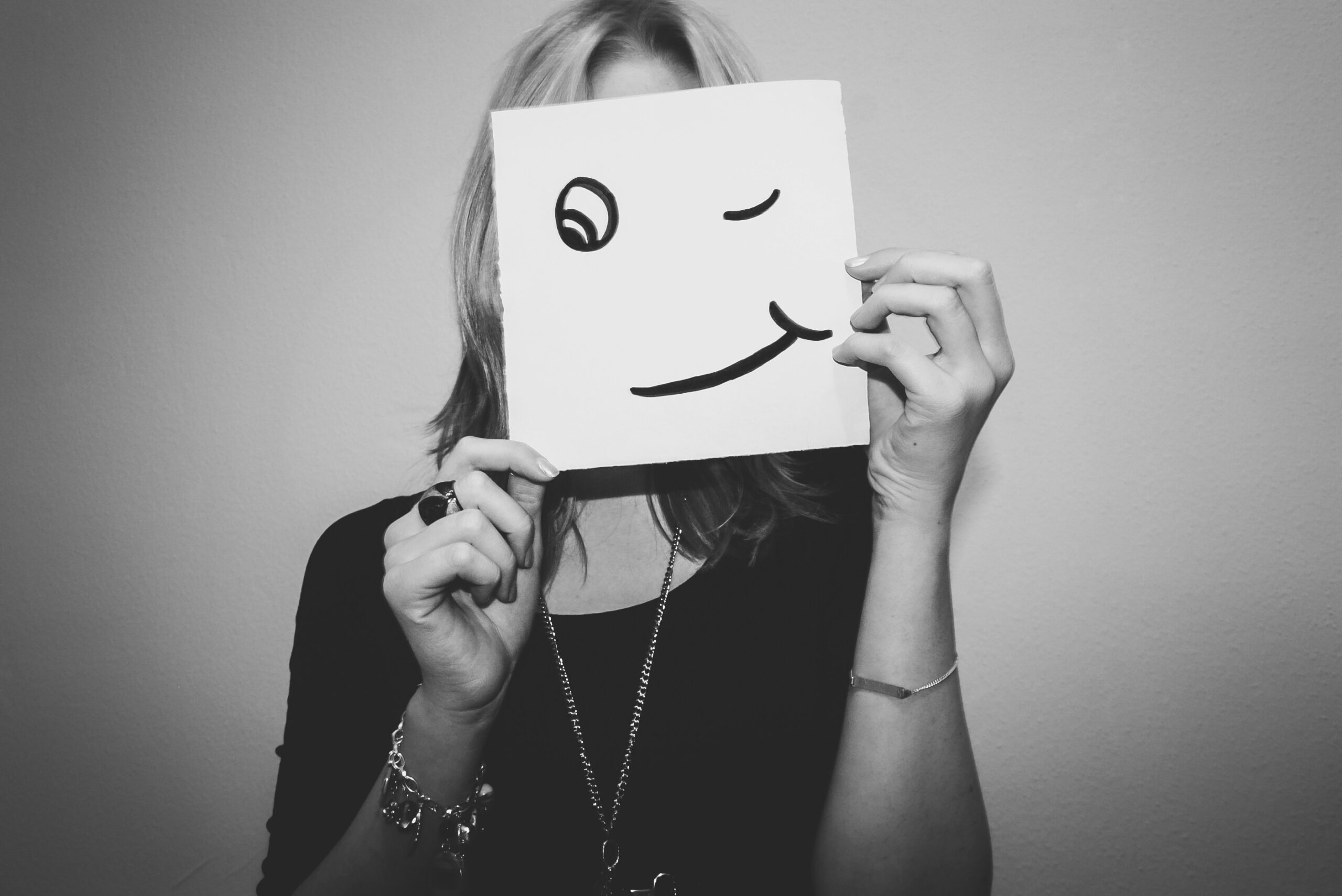
Creative masking refers to how neurodivergent individuals (particularly those with autism or ADHD) suppress, camouflage, or compensate for their natural cognitive and behavioral styles to fit into neurotypical professional environments.
It is not just about hiding stimming behaviors or special interests. In creative fields like tech and digital media, masking often shows up as:
- Reformatting your natural communication style to sound more linear or “professional”
- Suppressing hyperfocus or unconventional thinking in brainstorms so you do not seem “too much”
- Forcing yourself to work in ways that do not match how your brain actually processes information
- Performing enthusiasm or calm when your internal state is the complete opposite
Research published in the journal Autism found that masking is significantly more prevalent among women and is closely tied to late or missed diagnoses (Lai et al., 2017). For many neurodivergent women, masking started in childhood and became a deeply ingrained survival habit long before they ever entered the workforce.
How Masking Shows Up at Work
Every interaction at work where you are managing how you come across is taxing your executive function. This is what researchers mean when they talk about autism and ADHD masking: it carries a very real cognitive load. A study by Cassidy et al. found that sustained masking is directly linked to higher rates of anxiety, depression, and suicidal ideation among autistic adults.
In a standard workday, masking in the workplace can look like:
- Scripting conversations in your head before speaking up in a meeting
- Mirroring the body language and tone of neurotypical colleagues
- Aggressively editing yourself out of messages before sending them
- Forcing eye contact even when it is physically draining
- Staying late to redo work completed in your natural (but stigmatized) style
When Creativity Becomes a Costume
In digital media and tech roles, there is often an expectation that creativity should look a certain way: collaborative, spontaneous, energetic, and communicative. If your neurodivergent brain generates its best work through deep solo focus, nonlinear thinking, or unconventional associations, you may find yourself masking your actual creative process just to meet those expectations.
This is where creative masking becomes particularly destructive. You are not just hiding behaviors. You are hiding how you think.
The Mental Health and Burnout Toll
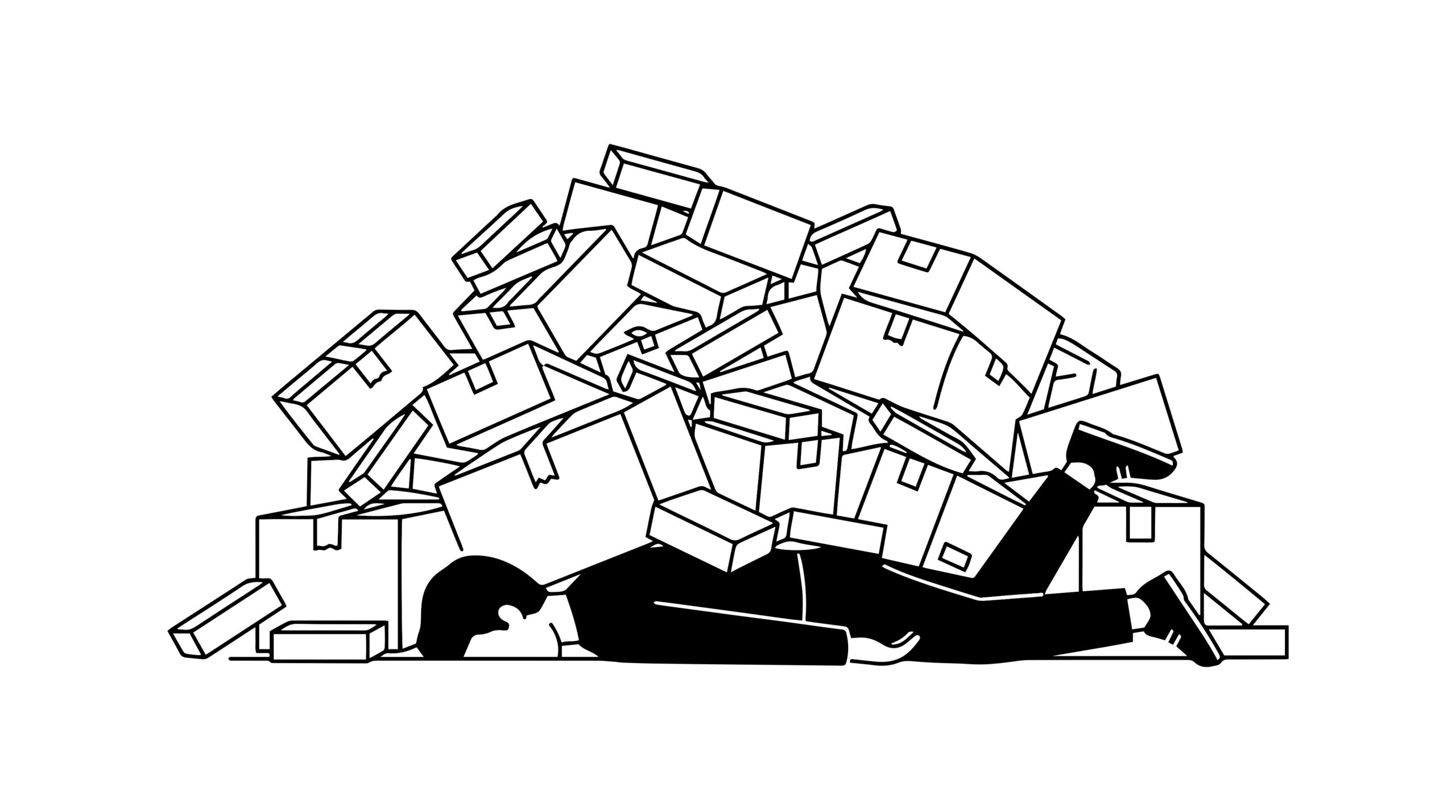
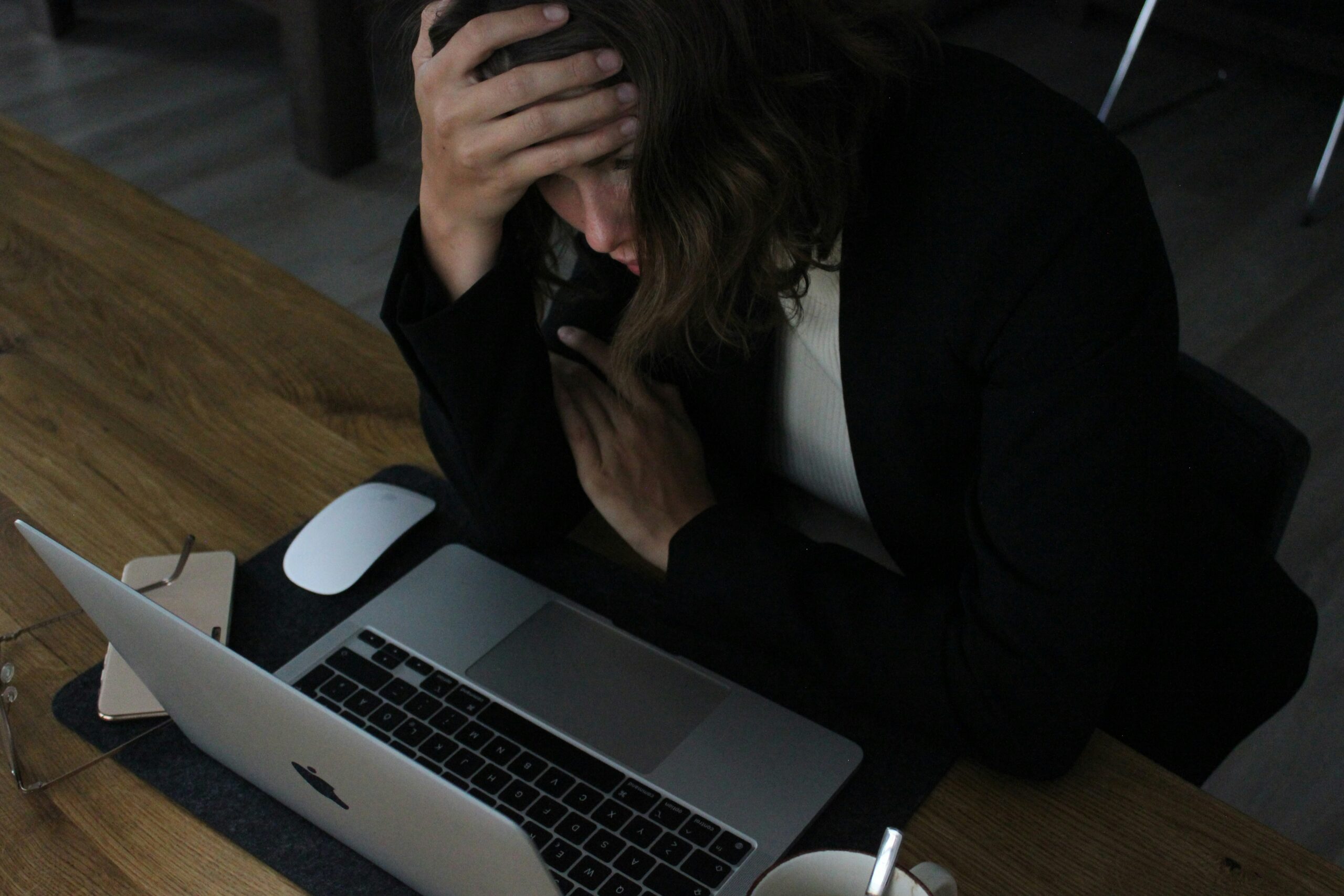
Burnout in neurodivergent women rarely looks like the popular image of someone dramatically walking out. It is more often a slow erosion: increasing irritability, difficulty finishing tasks that used to feel effortless, social withdrawal, physical exhaustion, and a growing sense of disconnection from work you used to genuinely love.
Mental health and burnout are deeply intertwined with masking. The autistic burnout is specifically described as “a state of chronic stress and exhaustion resulting from the life-long effort of masking and adapting to a neurotypical world.” ADHD burnout follows a similar pattern, especially when women have spent years or decades compensating for executive dysfunction without any formal support.
If your symptoms are worsening at work, or if you need significantly more recovery time after workdays than you used to, you are not being dramatic. You may be in the early or middle stages of burnout.
The Intersection with Identity
For Filipino neurodivergent women, there is often an additional layer to navigate. Filipino culture frequently prizes resilience, adaptability, and quiet endurance (“diskarte” and “tiis” as virtues). These values are not inherently harmful, but when layered onto neurodivergent masking, they can make it harder to recognize the difference between cultural resilience and genuine self-erasure.
Additionally, the stigma around mental health and neurodivergence in Filipino communities can delay self-recognition and help-seeking, especially for women who have been socialized their whole lives to prioritize others’ comfort over their own needs.
Why Tech and Digital Media Are Especially Draining
The tech industry and the digital media industry are not neutral environments for neurodivergent women. They come with a specific set of demands that tend to penalize neurodivergent traits while simultaneously rewarding neurodivergent output.
Consider how familiar these scenarios probably feel:
- Open offices or remote setups with constant notifications and relentless context-switching
- Agile workflows that require rapid pivots, frequent sync-ups, and performative flexibility
- Cultures that reward extroversion, visible enthusiasm, and quick verbal fluency
- Poorly defined project scopes that shift without warning or written documentation
These conditions are particularly destabilizing for autistic and ADHD women, who often thrive with clear structure, deep work blocks, and explicit communication. The gap between how you work best and how you are expected to work is precisely where masking compounds and where burnout accelerates.
If you are trying to execute a solid digital marketing strategy workflow while also managing sensory overload, task-switching fatigue, and the emotional weight of constant self-monitoring, it is no wonder the wheels eventually come off.

Career Tradeoffs Nobody Talks About
Masking often works. That is the cruel paradox. You get the promotion. You manage the client. You hit the launch deadline. And because you succeeded visibly, no one around you understands why you are falling apart on the inside.
Over time, the career tradeoffs of masking accumulate in ways that are hard to quantify but very easy to feel. Many neurodivergent women report:
- Choosing lower-visibility roles specifically to reduce masking demands
- Turning down promotions because the social load would simply be unsustainable
- Leaving jobs or industries they loved because the environment was too cognitively draining
- Underpricing their services or avoiding leadership positions out of fear of exposure
The work of overcoming ADHD stigma is directly tied to this pattern. Until neurodivergent women can show up authentically without risking professional consequences, many will continue to self-limit just to protect their energy and their mental health.
Disclosure Decisions Are Complicated
Whether to disclose your neurodivergence at work is a deeply personal and often high-stakes decision. In the Philippines, workplace protections for neurodivergent employees are still developing, and cultural attitudes vary significantly by organization and industry.
Disclosure can open the door to formal accommodations, but it also carries real risks around bias and misunderstanding. This is exactly why self-advocacy skills matter even when you choose not to formally disclose anything.
Self-Advocacy Strategies That Actually Help
Before you can advocate for yourself, you need to identify where your masking is heaviest. Common patterns in neurodivergent women include:
- Meetings: performance fatigue, eye contact management, tone regulation
- Written communication: over-editing messages, tone-policing yourself, excessive over-explaining
- Collaboration: suppressing your natural creative process to match the group’s pace
- Deadlines: masking executive dysfunction by overworking or underslept sprints
Keeping a brief daily log can help you spot which environments and interactions cost the most energy. An ADHD support pet can also meaningfully reduce your baseline anxiety and help you decompress faster after high-masking workdays, which is worth far more than it sounds.
Request Accommodations, Even Small Ones
You do not need a formal diagnosis to advocate for your work style. Many neurodivergent women find that small, low-disclosure accommodations make a measurable difference:
- Requesting written agendas before meetings
- Asking for async communication as a default option
- Negotiating protected deep work blocks in your schedule
- Clarifying project expectations in writing rather than verbally
Protect Your Focus Windows Deliberately
One of the most effective burnout-prevention strategies for neurodivergent women is protecting your peak focus windows before other people’s priorities colonize your calendar. Knowing how to increase focus during the day is not just a productivity tip; it is a direct intervention against burnout.
Reclaim AI is a scheduling tool that automatically time-blocks your calendar around your priorities, meetings, and energy patterns. For neurodivergent women managing complex creative and administrative workloads, it removes the executive function burden of manually protecting your deep work time every single week. It is the kind of structural support that makes sustainable work feel genuinely possible rather than aspirational.
BeforeSunset AI is another strong option. It combines daily planning with end-of-day reflection, which can help you track masking-heavy days, spot burnout patterns early, and adjust your schedule before you hit the wall.
Tools and Support Worth Knowing
Productivity and Scheduling
- Reclaim AI: Automatic calendar optimization that guards your focus time without you having to fight for it manually.
- BeforeSunset AI: Daily planning with reflection prompts, particularly well-suited to ADHD brains and burnout recovery.
Communication and Digital Operations
- Bouncer: If email marketing is part of your role, Bouncer keeps your subscriber list clean and your deliverability stable. One fewer unpredictable variable in your workflow matters when your nervous system is already running hot.
- HubSpot: A CRM and marketing automation platform that consolidates your digital workflows, significantly reducing context-switching for neurodivergent marketers who find platform-hopping exhausting.
- Plesk: A web hosting control panel that simplifies server management for neurodivergent women managing their own digital properties, so you are spending less time troubleshooting infrastructure and more time doing actual creative work.
Content, SEO, and Growth
- Rank Prompt: An SEO and content strategy tool that streamlines keyword research and planning, cutting down the cognitive load of content creation for neurodivergent creators.
- fatjoe: A content and link-building service that can take deliverables off your plate during high-burnout periods, helping you maintain output without sacrificing the recovery time you genuinely need.
- LearnWorlds: An e-learning platform that lets you learn at your own pace and in your own style, which is a significant advantage for ADHD learners who do not process information in the linear, lecture-style format that most training programs assume.
Community and Clinical Support
No tool replaces genuine human support. Connecting with other neurodivergent women in tech and media, finding a neurodivergent-affirming therapist, or working with a coach who deeply understands ADHD and autism in women can provide the kind of support that no productivity app can replicate. Seek out online communities, local support groups, and professionals who understand your specific experience, not just the textbook version of it.
Naming the Exhaustion Is the First Step Forward
Creative masking is not a personal failing. It is a rational response to environments that were never designed with neurodivergent women in mind. And burnout is not a sign that you are not cut out for tech or digital media. It is a sign that the cost of performing neurotypicality has finally exceeded what your nervous system can absorb.
The path forward is not about masking better or working harder. It is about slowly and strategically creating conditions where you have to mask less. That might mean advocating for accommodations, restructuring your schedule, finding community, or simply giving yourself permission to acknowledge how much invisible labor you have been carrying.
You are not too sensitive. You are not too much. You are running a process that most of your colleagues do not even know exists, and you deserve a work life that actually accounts for that.
Take Control of Your Schedule Before It Controls You
Working in tech or digital media while neurodivergent is demanding enough without your calendar working against you. Reclaim AI automatically protects your focus time, manages scheduling conflicts, and helps you build a workday that fits how your brain actually operates, not how a neurotypical template assumes it should.
Give your energy the structure it deserves. Try Reclaim AI free today.
Frequently Asked Questions
What is the difference between creative masking and simply being professional?
Professionalism involves adapting your behavior to a work context, while masking is the involuntary suppression of your neurological traits to avoid judgment or exclusion. The key difference is that professionalism is a conscious choice, while masking often comes at a significant and ongoing mental health cost.
Can creative masking affect the quality of your actual work?
Yes, and often more than people realize. While masking may help neurodivergent women appear to function smoothly in the short term, it quietly drains the cognitive resources needed for genuine creative and analytical output. Over time, sustained masking contributes to slower processing, more errors, and eventual burnout that can derail careers entirely.
How do I know if I am experiencing neurodivergent burnout at work?
Key signs include persistent exhaustion that rest does not resolve, difficulty completing tasks that used to feel manageable, emotional numbness toward your work, and increasing sensory sensitivity. If these symptoms resonate with your experience, connecting with a neurodivergent-affirming mental health professional is a meaningful and worthwhile first step.

Maria is a digital marketing professional, specializing in content marketing and SEO. She's a neurodivergent who strives to raise awareness, and overcome the stigma that envelopes around mental health.






No Comment! Be the first one.