



Table of Contents
- What Is the OFW Phenomenon?
- Why Do Filipinos Leave to Work Overseas?
- How Does the OFW Phenomenon Affect Filipino Families?
- Staying Connected: Technology’s Role in the OFW Phenomenon
- Coping With Distance: Why a Support System Matters
- Reintegration: Life After the OFW Phenomenon Ends
- The Real Legacy of the OFW Phenomenon
- The OFW phenomenon keeps the Philippine economy running, but it comes at a real emotional cost to the families left behind.
- Communication gaps and shifting family roles are the biggest challenges OFW households face during and after separation.
- Returning OFWs increasingly turn to real estate, digital entrepreneurship, and online teaching to avoid going abroad again.
The OFW phenomenon describes the decades-long movement of Filipinos leaving home to work abroad. It now touches nearly every family in the Philippines. Millions of Overseas Filipino Workers (OFWs) send money home each month. That money keeps the national economy afloat while quietly reshaping how Filipino households function.
According to the Bangko Sentral ng Pilipinas, OFW remittances add up to billions of dollars a year, money that pays for tuition, medical bills, and homes. But behind those numbers is a human story. Parents raise children over video calls. Spouses manage entire households alone. Communities keep redefining what “family” looks like when a parent lives an ocean away.
What Is the OFW Phenomenon?
The OFW phenomenon refers to the large-scale, sustained migration of Filipino workers, domestic helpers, seafarers, nurses, engineers, and IT professionals into foreign labor markets. It has grown into one of the country’s most significant economic and social forces.
The term covers more than the workers themselves. It includes the ripple effects on families, communities, and even the Philippine politics that shape labor export policy year after year.

Why Do Filipinos Leave to Work Overseas?
Most Filipinos go abroad because local wages can’t keep pace with the cost of raising a family. Overseas jobs, even in modest roles, often pay several times what the same skill set earns at home.
Common reasons Filipinos choose to work abroad include:
- Higher pay compared to local salaries for the same profession
- Limited job openings or underemployment in their field at home
- A cultural sense of duty to support parents and extended family
- Frustration with local workplace conditions and slow career growth
Economic Pressure Is the Biggest Push Factor
Underemployment and inflation squeeze Filipino households hard. Working abroad becomes less of a dream and more of a practical decision families make together. This is where the unica hija or eldest-child pressure tends to surface. One child is often expected to shoulder the family’s financial weight the moment they’re old enough to earn.
Escaping a Difficult Work Environment
Some Filipinos leave not just for better pay but to get away from workplace conditions that wear them down. Rigid hierarchies and unpaid overtime are common complaints. Research on toxic traits Filipino workplace culture shows how these patterns push skilled workers away. Many would rather leave the country than keep working somewhere their effort goes unrecognized.
Government Policy Plays a Role Too
Labor export has been part of Philippine economic strategy for decades, and every election cycle brings fresh commitments to create local jobs. Voters have grown skeptical of promises vs. platforms, because campaign pledges to end forced migration rarely translate into policies that keep skilled workers employed at home.
It’s a Cultural Practice, Not Just an Economic One
The Philippines has a long history of migration, shaped by its colonial past and its role in global maritime trade. Leaving for work abroad rarely feels like a break from tradition. Filipino culture also places enormous value on family obligation. That makes “supporting the family” one of the strongest reasons to go.
History and cultural duty explain a lot here. Together, they’re a big reason the OFW phenomenon has outlasted multiple administrations, even as the local job market slowly improves.
How Does the OFW Phenomenon Affect Filipino Families?
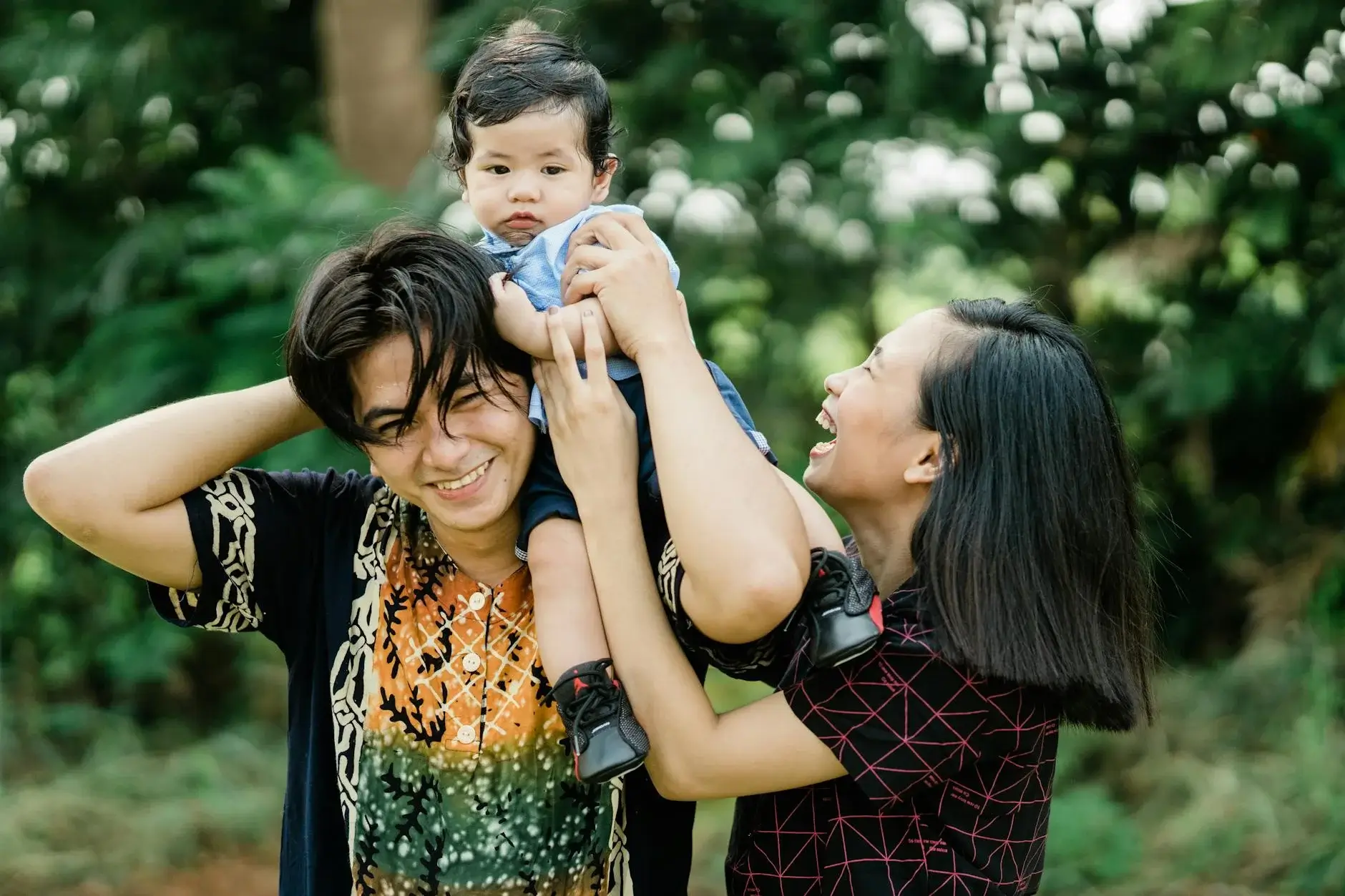
Family separation is the clearest and most immediate cost of overseas work. Children often experience confusion or a sense of abandonment, while spouses left behind take on the full weight of parenting and providing at once.
Communication Struggles Are More Common Than People Admit
Distance changes how families talk to each other, even with unlimited data and free video calls. Research on communication barriers within Filipino families points to a few common culprits: time zone gaps, guarded conversations meant to avoid worry, and the simple loss of daily small talk. Together, these gaps make OFW households feel more distant than the miles alone would explain.
The Emotional Weight Falls on Everyone
Kids may struggle academically or socially without a parent physically present. Spouses report loneliness and decision fatigue from running a household solo. OFWs themselves carry guilt, homesickness, and the pressure of being the family’s main financial lifeline, sometimes for years without a break.
Social Stigma Adds Another Layer
Families of OFWs often face assumptions that they’re financially comfortable, which overlooks the emotional cost they quietly carry. Children may also face bullying or isolation tied to a parent’s absence, compounding the distress they already feel at home.
Staying Connected: Technology’s Role in the OFW Phenomenon
Affordable smartphones and social media have narrowed the emotional distance between OFWs and their families. Scheduled video calls, shared photo albums, and group chats have become the new normal for staying present from thousands of miles away.
Time zones remain the biggest obstacle to consistent connection. Families juggling work shifts, school schedules, and a 12-hour time difference need more than good intentions to make it work. This is why cool tools for neurodivergent workflows have quietly become useful for OFW households too. Visual calendars and low-friction reminder systems help everyone remember when it’s actually time to talk.
Scheduling apps like Reclaim AI can help by automatically blocking time for family calls around shifting work hours. That matters when a nurse in Riyadh and a spouse in Cavite are almost never awake at the same time by accident.

Coping With Distance: Why a Support System Matters
No app fully replaces a physically present parent or partner, so families coping with long-term separation need people, not just tools. Extended family, close friends, and community groups fill a lot of the day-to-day gaps that video calls can’t.
Community Networks Do Real Work
Church groups, neighborhood associations, and online communities for OFW families offer more than moral support. They share practical advice on remittance management, school enrollment, and even legal questions that come up while a parent is away.
Children and Elderly Family Members Need Extra Attention
Kids and aging parents are usually hit hardest by a loved one’s absence. Keeping them involved in decisions and communicating consistently helps a lot. When needed, counseling support can also ease the loneliness that distance creates.
Reintegration: Life After the OFW Phenomenon Ends
Coming home is rarely as simple as unpacking a suitcase. Many returning OFWs face reverse culture shock. Their overseas experience often doesn’t translate in the local job market. On top of that, their family has usually changed while they were away.
Rebuilding Family Roles Takes Time
Spouses and children have adjusted to a routine without the returning parent in it. Renegotiating who does what, from finances to discipline, takes patience from everyone involved, not just the returning OFW.
Many Returnees Turn to Entrepreneurship
Rather than signing another overseas contract, a growing number of OFWs put their savings to work locally. Popular options for building income at home include:
- Investing in property, with a condo for rent near a business district being a common passive-income choice
- Starting a small online business, guided by solid startup digital marketing fundamentals instead of guesswork
- Teaching a skill they already have like cooking, bookkeeping, caregiving, a trade, through a self-paced course built on a platform like LearnWorlds.
Each of these paths lets a former OFW earn from home, on their own schedule. None of them require leaving the country again to support the family.
The Real Legacy of the OFW Phenomenon
The OFW phenomenon has built the Philippine economy on sacrifices most Filipinos never fully talk about. It has funded educations, built houses, and paid for medical bills. But it has also stretched marriages thin. For many families, “togetherness” now means a shared screen instead of a shared table.
Supporting these families means more than celebrating remittances. It means building better local job options and stronger mental health support. It also means giving families practical tools that make distance easier to manage, until working abroad becomes a choice rather than a necessity.
Build an Income That Doesn’t Require Leaving Home
Thinking about turning your skills into a business instead of another overseas contract? You already know more than you think, and there’s a market of fellow Filipinos ready to learn from you.
Frequently Asked Questions
What is the OFW phenomenon?
The OFW phenomenon is the large-scale migration of Filipinos working abroad for extended periods, driven mainly by better pay and job opportunities unavailable at home.
Why is the OFW phenomenon such a big issue for Filipino families?
It separates parents from children and spouses from each other, often for years at a time. That distance brings emotional strain, communication gaps, and shifting family roles.
Can returning OFWs avoid going abroad again?
Many build local income through small businesses, rental properties, or online courses, though this usually requires learning new skills like basic digital marketing.

Maria is a digital marketing professional, specializing in content marketing and SEO. She's a neurodivergent who strives to raise awareness, and overcome the stigma that envelopes around mental health.






No Comment! Be the first one.