

Table of Contents
- How to Pitch Your Guest Blog: Start With Search Intent, Not Keywords
- Map Content to Your Customer Journey
- Build an SEO Content Strategy With Strategic Keyword Research
- Create Content That Serves Both Algorithms and Humans
- Build Internal Linking That Guides Users and Search Engines
- Create a Sustainable Content Production System
- Measure What Matters (And Ignore Vanity Metrics)
- Common Content Strategy Mistakes to Avoid
- Your Next Steps
- Frequently Asked Questions
- Start with search intent before keywords to create content that ranks and converts
- Map your content to customer journey stages (awareness, consideration, decision) for strategic targeting
- Balance technical SEO optimization with authentic value creation to satisfy both algorithms and humans
When you build an SEO content strategy and learn how to pitch your guest blog effectively, you know your content needs to rank. You also know it needs to convert visitors into customers.
But here’s where most content strategies fall apart: they optimize for one or the other, not both.
I’ve spent years building content strategies that balance technical SEO requirements with genuine human connection. The result? Content that ranks well and moves people to action.
This guide walks you through how to build an SEO content strategy from scratch. One that satisfies search algorithms while creating real value for your audience.

How to Pitch Your Guest Blog: Start With Search Intent, Not Keywords
Most content strategies begin with keyword research. That’s backwards.
Search intent reveals what people actually want when they type a query into Google. Keywords just show you what they typed.
Here’s how to identify search intent before you touch a keyword tool:
Look at the current search results. Google already figured out what people want. If you search “content marketing strategy” and see mostly how-to guides, Google determined that searchers want educational content, not product pages.
Identify the intent category. Every search falls into one of four categories:
- Informational: “how to create a content calendar”
- Navigational: “HubSpot login”
- Commercial: “best email marketing tools”
- Transactional: “buy Mailchimp subscription”
Match your content format to the intent. If searchers want comparisons, write comparison articles. If they want tutorials, create step-by-step guides.
This approach prevents you from creating content that ranks but doesn’t convert because it mismatches what people actually need.

Map Content to Your Customer Journey
Your content strategy needs to address people at different stages of awareness.
Someone searching “what is SEO” sits in a completely different place than someone searching “enterprise SEO platform pricing.”
Here’s how to build content for each stage:
Awareness Stage Content
These searchers just realized they have a problem. They’re researching, learning, and trying to understand their situation.
Content types that work:
- Educational blog posts
- Beginner guides
- Problem-focused articles
- Industry trend analysis
Example topic: “Why Your Website Traffic Dropped (And What It Means)”
At this stage, you’re building trust and establishing expertise. Don’t push products yet.
Consideration Stage Content
Now they understand their problem and they’re evaluating solutions.
Content types that work:
- Comparison articles
- Solution-focused guides
- Case studies
- Method breakdowns
Example topic: “In-House SEO vs. Agency: How to Choose the Right Approach”
This content should help them make informed decisions, even if that decision isn’t choosing you.
Decision Stage Content
They’re ready to choose a specific solution. This is where conversion-focused content lives.
Content types that work:
- Product/service pages
- Detailed feature breakdowns
- Pricing guides
- Customer testimonials
Example topic: “Our SEO Audit Process: What You Get and Why It Works”
Make the next step obvious and easy to take.

Build an SEO Content Strategy With Strategic Keyword Research
Now that you understand intent and journey stages, keyword research becomes strategic rather than random.
Find Keywords Your Audience Actually Uses
Start with seed keywords related to your core topics. When working on beginner bloggers tips, use these tools to expand your list:
- Google Search Console: This shows you what queries already bring people to your site. Look for queries where you rank on page 2 or 3—these represent quick wins.
- Competitor content analysis: Identify competitors who rank well for your target topics. Tools like Ahrefs or SEMrush reveal which keywords drive their traffic.
- Answer the Public and Reddit: These platforms show you the actual questions people ask about your topics. Real language beats sanitized keyword suggestions.
Evaluate Keyword Opportunity
Not all keywords deserve your attention. Assess each keyword based on:
- Search volume: How many people search for this monthly? Balance volume with specificity—sometimes a 100-search keyword converts better than a 10,000-search keyword.
- Ranking difficulty: Can you realistically rank for this? New sites struggle with highly competitive terms. Target keywords where you see sites with similar authority ranking.
- Business value: Does this keyword connect to your services? A keyword might have great volume but terrible relevance to what you offer.
- Current ranking position: If you already rank on page 2, optimizing existing content often delivers faster results than creating new content.
Group Keywords Into Topic Clusters
When you build an SEO content strategy, stop thinking about individual keywords. Think in topics.
A topic cluster includes:
- One pillar page covering the broad topic comprehensively
- Multiple cluster pages diving deep into specific subtopics
- Internal links connecting cluster pages back to the pillar
Example cluster structure:
Pillar page: “Complete Guide to Content Marketing Strategy”
Cluster pages:
- “How to Create a Content Calendar That Your Team Will Actually Use”
- “Content Distribution Strategies Beyond Social Media”
- “Measuring Content Marketing ROI: Metrics That Matter”
- “Building a Content Team: Roles and Responsibilities”
This structure helps Google understand your expertise while giving users multiple entry points into your content.

Create Content That Serves Both Algorithms and Humans
This is where most content strategies break down. You optimize so heavily for search engines that you create robotic content, or you write beautifully but ignore technical requirements.
You need both.
Structure Content for Scannability
People scan before they read. Google’s algorithm recognizes this behavior.
- Use descriptive headings. Your H2 and H3 tags should tell readers exactly what they’ll learn in that section. “Benefits of Email Marketing” beats “Why This Matters.”
- Front-load important information. Answer the main question within the first 200 words. Then expand with details, examples, and context.
- Break up text visually. Long paragraphs intimidate readers. Aim for 1-3 sentences per paragraph. Use bullet points for lists. Add relevant images to create visual breaks.
Optimize Technical Elements Without Overthinking
Technical SEO matters, but it shouldn’t consume all your energy.
- Title tags: Include your primary keyword naturally. Keep it under 60 characters. Make it compelling enough that people want to click.
- Meta descriptions: Write a clear summary that includes your keyword. Treat this as ad copy—you’re convincing someone to click your result instead of the nine others on the page.
- URL structure: Keep URLs short and descriptive. “yoursite.com/seo-content-strategy” works better than “yoursite.com/blog/post/12345/how-to-create.”
- Image optimization: Use descriptive file names and alt text. This helps with accessibility and gives Google context about your images.
Write for Comprehension, Not Keyword Density
Forget keyword density formulas. Google’s algorithm understands context and semantic relationships.
Use your primary keyword naturally in:
- The title
- At least one H2 heading
- The first paragraph
- The conclusion
Include related terms and concepts that naturally connect to your topic. If you’re writing about content strategy, you’ll naturally mention planning, distribution, measurement, and audience research.
Focus on answering questions thoroughly. Comprehensive content that fully addresses a topic ranks better than thin content stuffed with keywords.
Add Elements That Build Trust
Search engines favor content from authoritative sources. Demonstrate expertise through:
- Specific examples: “Increase traffic by 50%” means nothing without context. “We increased organic traffic from 5,000 to 7,500 monthly visitors in six months by implementing topic clusters” provides useful detail.
- Original research or data: Share insights from your own experience. Original perspectives stand out in a sea of recycled advice.
- Expert citations: Reference credible sources when discussing industry trends or research findings. Link to authoritative sources that support your points.
- Author credentials: Include author bios that establish relevant expertise. Google’s quality guidelines specifically mention author authority.

Build Internal Linking That Guides Users and Search Engines
Internal links create pathways through your content. They help users find related information and help search engines understand your site structure.
Link Strategically Within Your Content
Connect related topics. When you mention a concept covered in another article, link to it. This keeps users engaged with your content longer.
Use descriptive anchor text. “Click here” tells neither users nor search engines what they’ll find. “Learn how to conduct keyword research” sets clear expectations.
Link from high-authority pages to important pages. Your homepage and popular blog posts pass authority to the pages they link to. Use this strategically to boost important pages.
Create a logical hierarchy. Pillar pages should link to all related cluster pages. Cluster pages should link back to the pillar and to related clusters.
Avoid Common Internal Linking Mistakes
Don’t link to the same page multiple times in one article. One well-placed link works better than five scattered links.
Don’t link to low-quality or thin content. Every link represents a recommendation. Only link to content you’re proud to share.
Don’t ignore orphan pages. Every page on your site should receive at least one internal link from another page.

Create a Sustainable Content Production System
A brilliant strategy fails without consistent execution.
Build a Realistic Content Calendar
As you build an SEO content strategy, start with what you can actually maintain. Publishing one high-quality article monthly beats publishing four mediocre articles that drain your resources.
Map topics to your keyword research and customer journey stages. Balance awareness, consideration, and decision content.
Schedule content around business priorities. If you launch a new service in Q3, create supporting content in Q2.
Build in flexibility. Leave room for timely topics and industry news that deserve quick responses.
Establish Quality Standards
Define what “done” means for your content. This prevents endless revisions and maintains consistency.
Create a content brief template that includes:
- Target keyword and search intent
- Primary audience and journey stage
- Key points to cover
- Desired word count range
- Internal linking opportunities
- Call-to-action
Develop an editing checklist covering:
- Accuracy of information
- Clarity of explanations
- Technical optimization elements
- Proper formatting and structure
- Working links and functional CTAs
Leverage AI Tools Without Losing Your Voice
AI writing tools like Claude and ChatGPT accelerate content creation when used strategically.
Use AI for research and outlining. AI excels at gathering information and suggesting structure. It struggles with original insights and authentic voice.
Generate first drafts quickly, then add your expertise. Let AI handle the basic framework. You add the specific examples, unique perspectives, and personality that differentiate your content.
Maintain human oversight. AI makes factual errors and creates generic content. Always review, fact-check, and personalize AI-generated content before publishing.
Measure What Matters (And Ignore Vanity Metrics)
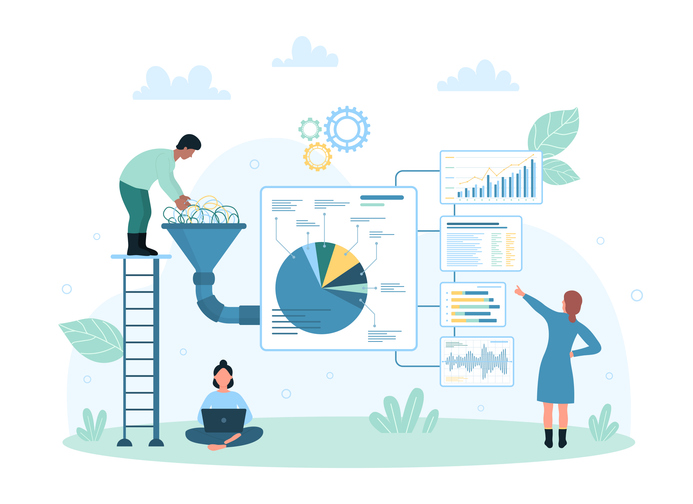
Your content strategy needs measurement, but not all metrics deserve attention.
Track These Core Metrics
- Organic traffic growth: Monitor overall organic traffic trends and traffic to specific articles. Use Google Analytics to track sessions from organic search.
- Keyword rankings: Track rankings for your target keywords. Focus on movement for keywords you’re actively optimizing rather than tracking hundreds of irrelevant terms.
- Engagement metrics: Look at average time on page and scroll depth. These indicate whether people actually read your content or bounce immediately.
- Conversion metrics: Track how many visitors complete desired actions—newsletter signups, contact form submissions, demo requests. This reveals whether your content moves people toward business goals.
- Internal link clicks: Monitor which internal links get clicked. This shows you which topics interest your audience and where to expand your content.
Ignore These Vanity Metrics
Page views without context mean nothing. A page with 10,000 views and no conversions underperforms a page with 500 views and 50 conversions.
Social shares don’t predict rankings or conversions. Content can go viral on social media while generating zero business value.
Domain authority scores from third-party tools provide rough estimates but shouldn’t drive strategy decisions.
Review and Adjust Quarterly
Set aside time every three months to analyze your content performance.
Identify top performers. Which articles drive the most traffic? Which convert best? Double down on what works.
Find underperformers worth saving. Some articles target valuable keywords but rank poorly. These deserve optimization before you create new content.
Spot content gaps. What questions do your analytics reveal that you haven’t addressed? What keywords do competitors rank for that you’re missing?
Update outdated content. Refresh old articles with new information, updated examples, and improved optimization. This often delivers better ROI than creating new content.

Common Content Strategy Mistakes to Avoid
I’ve seen these mistakes derail otherwise solid strategies:
Creating content without understanding search intent. You rank for a keyword but the content doesn’t match what searchers actually want. Traffic arrives but immediately bounces.
Ignoring content updates. Your 2019 article about social media marketing now contains outdated advice and broken links. Old content needs maintenance.
Writing for search engines instead of humans. Keyword-stuffed content that reads like a robot wrote it might temporarily rank but won’t convert or build trust.
Expecting immediate results. SEO content strategies take 3-6 months to show meaningful results. Impatience leads to abandoning strategies before they mature.
Copying competitor content. Rewriting what already ranks creates mediocre content that adds nothing new. Differentiate through unique insights or better execution.
Neglecting mobile optimization. Over 60% of searches happen on mobile devices. Content that works beautifully on desktop but frustrates mobile users loses rankings and conversions.
Your Next Steps
Building an SEO content strategy that converts requires balancing technical requirements with genuine value creation. Whether you’re exploring how to pitch your guest blog, working with Substack blogging, or comparing Notion vs HubSpot for your workflow, these principles apply universally.
Start here:
- Audit your existing content. Identify what’s working, what needs improvement, and what gaps exist in your coverage. This is especially valuable if you’re looking to empower ADHD individuals blogging or building AI agents for content automation.
- Define your customer journey stages. Map out what information people need at each stage and what content you have (or need) to address those needs.
- Conduct strategic keyword research. Focus on search intent and business value rather than just volume.
- Create your first topic cluster. Choose one pillar topic and develop 3-5 supporting cluster articles.
- Establish a sustainable publishing rhythm. Start with what you can maintain consistently rather than overcommitting.
The content strategies that work long-term balance technical optimization with authentic expertise. Whether you’re managing your Figma workflow or developing other systems, you don’t need to choose between ranking well and creating valuable content—you need both.
Focus on understanding what your audience needs, deliver it better than anyone else, and make it easy for search engines to recognize your expertise.
That’s how you build a content strategy that actually converts.
Frequently Asked Questions
What is the difference between keyword research and search intent analysis?
Keyword research identifies what terms people search for, while search intent analysis reveals why they’re searching and what results will satisfy their needs.
How long does it take to see results from an SEO content strategy?
Most SEO content strategies require 3-6 months to show meaningful results, as search engines need time to crawl, index, and evaluate your content’s performance.
Should I update old content or create new content?
Updating existing content that ranks on page 2-3 often delivers faster ROI than creating new content, especially for pages targeting valuable keywords.
How often should I publish new content?
Focus on consistency over frequency. One high-quality article monthly that you can sustain beats four mediocre articles that drain your resources.
Can AI tools replace human writers for SEO content?
AI tools accelerate research and drafting, but human oversight remains essential for adding unique insights, maintaining authentic voice, and ensuring factual accuracy.

Maria is an accomplished digital marketing professional, specializing in content marketing and SEO. She's a neurodivergent who strives to raise awareness, and overcome the stigma that envelopes around mental health.