



Table of Contents
- Why Travel Feels So Hard When You Have ADHD
- How to Create ADHD-Friendly Travel Plans Before You Leave
- Packing Without the Last-Minute Panic
- Staying Grounded During the Trip
- Choosing the Right Accommodation and Destination
- Travel Technology That Actually Helps
- Your Next Trip Doesn’t Have to Be Overwhelming
- Ready to Reclaim Your Planning Time?
- Frequently Asked Questions
- Break travel planning into micro-steps with detailed, category-specific checklists to reduce cognitive overload.
- Build flexible itineraries with buffer time so you have room for rest, spontaneity, and imperfection.
- Use tools like phone alarms, body doubling, and planning apps to stay on track without relying on memory alone.
If you’ve been trying to create ADHD-friendly travel plans and keep stalling, you’re not alone. Travel is exciting in theory, but for people with ADHD, it can feel like 99+ browser tabs are all open and demanding attention at once: flights, hotels, packing lists, timing, and the relentless spiral of “but what if I find something better?”
The good news? With the right structure in place, travel doesn’t have to be exhausting before it even begins. This guide breaks down exactly how to plan, pack, and travel in a way that works with your ADHD brain, not against it.
Why Travel Feels So Hard When You Have ADHD
Travel disrupts routine. For ADHD brains, routine is often the scaffolding that holds everything together. According to The Focus Clinic, when that structure disappears, so do the internal cues that keep us regulated, leading to decision fatigue, sensory overload, and the feeling that you need a vacation from your vacation.
Executive dysfunction plays a huge role here. Tasks that seem simple to others: figuring out what to pack, navigating a busy airport, deciding where to eat — can feel genuinely overwhelming when your brain is already running hot. This isn’t a character flaw. It’s just how ADHD works.
Understanding that helps. But so does having a concrete plan.

How to Create ADHD-Friendly Travel Plans Before You Leave
The planning phase is where most ADHD travelers get derailed. The fix isn’t to plan less: it’s to plan smarter.
Break Everything Into Micro-Steps
Big tasks are ADHD kryptonite. “Plan the trip” is not a task: it’s a project. Instead, break it down: search flights (30 minutes), compare two options, pick one, done. Move on.
Understood.org’s Dr. Andrew Kahn recommends using a detailed checklist broken into flight logistics, daily clothing, toiletries in travel sizes, and tech and chargers. This kind of granularity removes the guesswork that sends ADHD brains into hyperdrive.
If you enjoy organized planning systems, the art of digital bullet journaling is a genuinely useful way to keep your pre-trip tasks visible, trackable, and deeply satisfying to check off.
Set Time Limits on Research
Hyperfixation is one of the biggest threats during the planning phase. You can spend three hours comparing hotels and end up more confused than when you started. Set a hard timer (20 to 30 minutes max) before you commit and move on.
Knowing how to prioritize your to-do list before you sit down to plan makes a significant difference in how productive those planning sessions actually are. Tackle the most time-sensitive bookings (flights, accommodation) first and save the fun logistics (restaurants, day trips) for later.
Use Body Doubling
Body doubling (having another person present while you complete a task) is one of the most effective ADHD strategies around. Ask a friend or partner to sit with you while you book your trip. Their presence alone can help you stay on task long enough to actually finish. As The Focus Clinic notes, body doubling during planning is one of the most underrated travel hacks for ADHD brains.
This ties into something broader: the people in your life are a powerful support system. Reading up on how to maintain friendships might not seem travel-related, but strong relationships make body doubling and accountability so much more accessible in everyday life.
Consider Cruises for Built-In Structure
If the idea of making a new decision every 20 minutes sounds exhausting, consider a cruise. Entertainment is built-in, meals are scheduled, and there’s no scrambling to figure out what to do next. The structure is done for you, which is exactly what a lot of ADHD travelers need.

Packing Without the Last-Minute Panic
If you’ve arrived at your destination missing your charger, your medication, or (as Dr. Kahn once noted) an entire pair of dress shoes, this section is for you.
Start Days, Not Hours, Before
Begin laying out your things at least three to four days before your trip. Not full packing, just gathering. This gives your brain the processing time to notice what’s missing without the crushing pressure of a looming departure time.
Build a Visual Packing List
Don’t just list clothes. List everything: medications, chargers, toiletries in travel sizes, headphones, your favorite fidget tool, comfort items, and any tech you rely on. A visual, category-based checklist dramatically reduces the chance that something critical slips through the cracks.
Pack for Your Brain, Not Just Your Body
Long travel days are sensory marathons. Pack podcasts, music playlists, or audiobooks to keep your brain engaged without overstimulating it. Fidget tools are also worth throwing in your carry-on. These aren’t extras; for ADHD travelers, they’re essentials.
Staying Grounded During the Trip
Good plans help, but the trip itself is where flexibility becomes your most important skill.
Keep a “Must-Do” vs. “Optional” List
Skip the rigid, hour-by-hour itinerary. Instead, keep a short list of one to two things you absolutely want to do each day, and a longer list of optional activities you can pick from based on your energy and mood. This approach, popular in ADHD travel communities on Reddit, gives you just enough structure without the pressure of sticking to a tight schedule.
According to The Focus Clinic, leaving buffer time between activities is key, not just for rest, but for the spontaneous detours that often become the best parts of any trip.
Use Technology as Your Co-Pilot
Phone alarms and calendar reminders aren’t optional; they’re your system. Set them for checkout times, reservation windows, medication schedules, and anything else your memory might drop when you’re in an unfamiliar environment full of distractions.
Embrace Imperfection
The best travel stories often start with “the plan completely fell apart, but then…” Trips that don’t go perfectly aren’t failures; they’re just trips. Give yourself explicit permission to deviate from the plan without spiraling into frustration.

Choosing the Right Accommodation and Destination
Where you stay matters almost as much as where you’re going.
Prioritize Stability and Familiarity
Hotels with predictable layouts and consistent amenities reduce sensory surprises. If you’re traveling for a longer stretch, renting a condo can offer the home-base stability that ADHD brains genuinely crave: a kitchen, a routine, your own space to decompress after busy days.
If you’re planning a romantic trip, choosing a place with the right atmosphere and built-in amenities can remove a lot of daily decision-making. Singapore romantic hotels are worth exploring for couples who want luxury, convenience, and a manageable amount of novelty.
Book Early to Cut Down on Day-Of Decisions
The fewer choices you have to make while you’re already tired and overstimulated, the better. Book flights, accommodation, and key experiences well in advance so you’re not scrambling when your executive function is at its weakest.
Travel Technology That Actually Helps
The right tools can handle a lot of the cognitive heavy lifting for ADHD travelers.
Use a Centralized Planning App
Apps that let you store your itinerary, checklists, notes, and booking confirmations in one place are a game-changer. If you’re weighing your options, a breakdown like Saner AI vs Notion can help you figure out which planning tool actually fits the way your brain works, rather than just picking whichever one looks popular.
Bring a Reliable, Lightweight Device
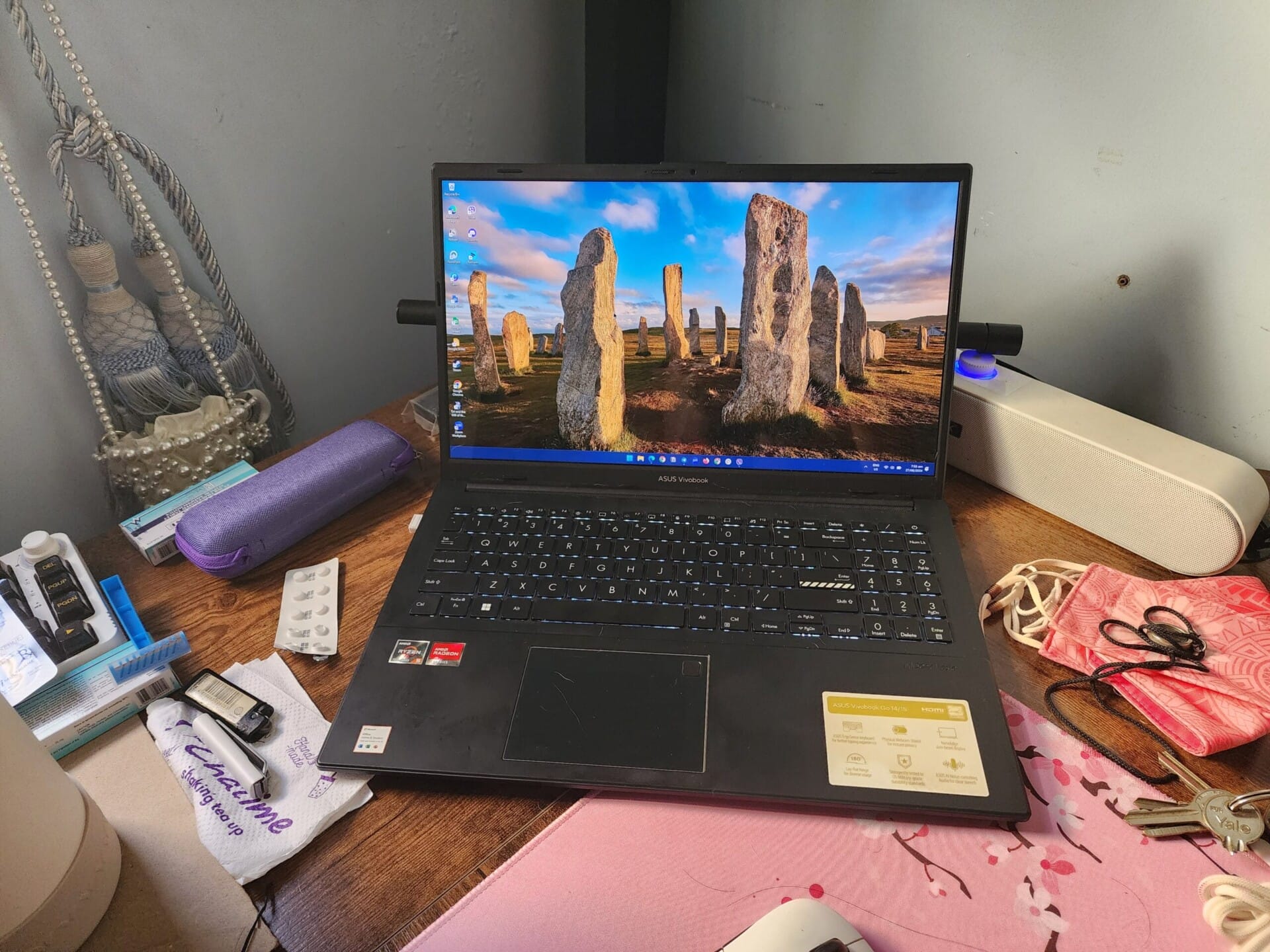
If you’re working remotely while traveling or need to make last-minute adjustments on the go, a portable device makes a real difference. The Asus Vivobook Go 15 is a solid option for travelers who need reliable performance without carrying extra weight through airport terminals.
Set Up Offline Access Before You Leave
Download your itinerary, maps, boarding passes, and booking confirmations before departure. Being stranded without WiFi while trying to find a confirmation number is the kind of sensory and logistical stress that no ADHD traveler needs.
Your Next Trip Doesn’t Have to Be Overwhelming
Learning to create ADHD-friendly travel plans is less about building the perfect itinerary and more about designing a system that works with how your brain actually operates. Structure isn’t the enemy of a good trip: it’s what makes the good parts possible in the first place.
Start with a detailed, category-specific checklist. Set time limits on research so hyperfixation doesn’t eat your entire weekend. Rope in a friend for body doubling. Pack for your brain as much as your wardrobe. And when things go sideways (and they will), remember that adaptability is one of the most underrated travel skills there is.
You deserve to actually enjoy your trips. With the right scaffolding in place, that’s exactly what becomes possible.
Ready to Reclaim Your Planning Time?
If travel planning feels like it takes ten times longer than it should, Reclaim AI can help you organize your time and tasks so the process feels manageable, not like a second full-time job. Let your schedule work for you, not against you.
Frequently Asked Questions
How do I stop hyperfixating on travel research?
Set a strict time limit of 20 to 30 minutes per task, make a decision, and commit. Using a planning app to save your research can help you feel like the information isn’t lost once you stop, which makes it easier to step away.
Is it better to travel alone or with someone when you have ADHD?
Traveling with a supportive companion can help with body doubling and shared decision-making, but it depends entirely on your dynamics with that person. Setting clear expectations before the trip helps both of you feel less overwhelmed.
What type of trip works best for ADHD travelers?
Trips with built-in structure, like cruises or all-inclusive resorts, tend to work well because they minimize the number of decisions you have to make each day.

Maria is an accomplished digital marketing professional, specializing in content marketing and SEO. She's a neurodivergent who strives to raise awareness, and overcome the stigma that envelopes around mental health.




No Comment! Be the first one.