



Table of Contents
- ADHD treatment misconceptions in the Philippines stem from cultural beliefs like “hiya” (shame) and misattributing symptoms to character flaws rather than neurological differences.
- Only 0.46 psychiatrists per 100,000 people serve the Philippines, creating massive barriers to ADHD diagnosis and treatment access, especially in rural areas.
- Girls and women with ADHD often go undiagnosed because inattentive symptoms are overlooked in favor of more visible hyperactive behaviors.
ADHD treatment misconceptions in the Philippines are preventing proper diagnosis and care. 80% of adolescents and 60% of adults have admitted to experiencing symptoms of ADHD. Yet most of these individuals never receive a diagnosis, let alone treatment.
The gap between symptom experience and formal diagnosis reveals something troubling about how we understand attention deficit hyperactivity disorder in Filipino culture.
We’ve labeled children as “makulit” (troublesome), “pasaway” (disobedient), or simply “bad” when their brains process information differently. We’ve dismissed adults struggling with focus and organization as lazy or undisciplined. We’ve attributed neurological differences to poor parenting, lack of willpower, or even supernatural influences.
These misconceptions create real consequences. 40 to 50% of children with ADHD have learning disabilities, and 35% don’t finish high school. Adults with undiagnosed ADHD face relationship difficulties, workplace challenges, and persistent feelings of inadequacy they can’t quite explain. Many struggle with how to maintain friendships when they can’t manage time blindness or remember important dates.
Understanding ADHD in the Philippine context means examining how cultural beliefs, limited resources, and persistent myths create barriers to proper diagnosis and care.
The Cultural Translation Problem
ADHD symptoms look different through a Filipino cultural lens.
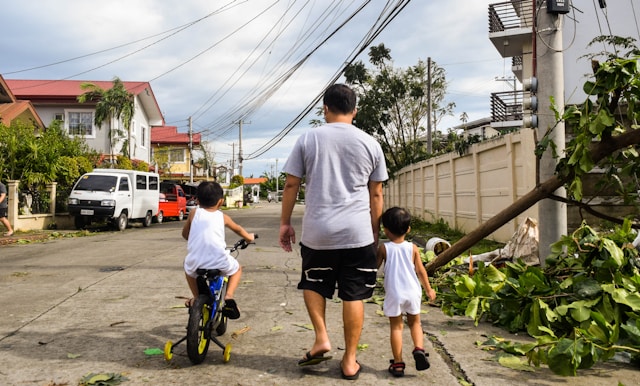
A child who can’t sit still in class becomes “makulit”—playful in a way that suggests character flaw rather than neurological difference. An adult who forgets appointments or struggles with time management gets labeled “tamad” (lazy), as if effort alone could rewire brain chemistry.
These labels carry weight in a culture shaped by two fundamental values: “hiya” (shame) and “kapwa” (shared identity).
Hiya creates pressure to avoid bringing shame to your family through perceived behavioral problems. Kapwa emphasizes collective harmony over individual needs. Together, these values make seeking mental health support feel like admitting failure—not just personal failure, but family failure.
The result? Families who suspect ADHD often choose silence over diagnosis.
Some communities attribute ADHD symptoms to “kulam” (witchcraft) or other supernatural influences. Families consult traditional healers or religious authorities instead of licensed mental health practitioners, delaying evidence-based treatment by months or years.
This isn’t superstition overriding common sense. It’s people working within the frameworks available to them, trying to help loved ones with limited information about what ADHD actually is.
Common ADHD Treatment Misconceptions That Keep People Stuck
Several persistent misconceptions about ADHD shape how Filipinos approach the condition:
Myth 1: ADHD Results From Poor Parenting
Parents, especially mothers, face blame when children exhibit hyperactive or inattentive behavior. The assumption goes that stricter discipline or better parenting would resolve the symptoms.
The reality? ADHD is a neurodevelopmental disorder with strong genetic components. Brain imaging studies show structural and functional differences in how ADHD brains process information, regulate attention, and manage impulses.
Parenting style doesn’t cause ADHD, though supportive parenting strategies can help children develop coping mechanisms.

Myth 2: Children Outgrow ADHD
Many Filipino healthcare professionals still believe “ADHD is for children” and “adults grow out of it.” This misconception leaves adults with undiagnosed ADHD feeling their struggles remain unexplained and unaddressed.
Research shows that while hyperactivity symptoms may decrease with age, attention difficulties and executive function challenges often persist into adulthood. Adults simply develop better masking strategies—at significant personal cost.
It often takes multiple consultations before finding a healthcare provider who recognizes adult ADHD patterns.
Myth 3: ADHD Means Lack of Intelligence or Effort
The assumption that people with ADHD just need to “try harder” or “focus better” misunderstands how the condition works.
ADHD affects executive functions—the brain’s management system for planning, organizing, initiating tasks, and regulating emotions. Intelligence has nothing to do with it. Many people with ADHD have above-average intelligence but struggle with tasks that require sustained attention or complex organization.
Telling someone with ADHD to simply focus harder is like telling someone with poor vision to just see better.
The Reality of Treatment Access
Even when families recognize ADHD and want treatment, they face substantial barriers.
The Psychiatrist Shortage
The World Health Organization estimates the Philippines has only 0.46 psychiatrists per 100,000 people—far below what’s needed. In rural areas, accessing specialized mental health care becomes nearly impossible.
This shortage means long wait times for appointments, limited options for second opinions, and difficulty finding practitioners experienced in ADHD diagnosis and treatment. Some individuals turn to virtual body doubling apps or online support groups to supplement limited professional care.
The Economic Burden
Therapy sessions typically range from ₱1,000 to ₱4,500 per hour. Initial psychiatric evaluations start between ₱2,000 and ₱8,500.
When median family income hovers around ₱25,000 monthly, spending on therapy becomes mathematically impossible for many families.
This doesn’t account for the “ADHD tax”—hidden costs through missed payments, impulsive spending, lost items, and productivity losses that compound financial stress.

The Treatment Gap
Despite the Philippine Mental Health Act (Republic Act 11036) passed in 2018, a significant treatment gap persists. The World Health Organization notes many individuals don’t receive needed mental health support.
The blend of skepticism about the disorder and strong inclination toward self-management and natural remedies deters individuals from utilizing available medical resources. Some cope with sensory overload during Christmas and other overwhelming situations without proper ADHD support strategies.
Signs of Progress
The landscape is slowly changing.
The COVID-19 pandemic accelerated telemedicine adoption, making ADHD treatment more accessible to those in remote areas. Online consultations reduce travel costs and time barriers while expanding the pool of available practitioners.
Some Philippine schools have begun implementing ADHD-friendly policies and support systems, though this remains far from widespread.
The third week of October is now declared “National Attention Deficit/Hyperactivity Disorder (AD/HD) Week” in the Philippines through Proclamation No. 472. In 2022, the first National Conference on Adult ADHD was held through collaboration between the ADHD Society of the Philippines and NCDA.
These developments signal growing recognition and support, even as substantial challenges remain.
The Gender Dimension
Girls and women with ADHD face additional invisibility.
Girls often exhibit the inattentive type, which doesn’t manifest as disruptive behavior. They daydream, struggle with organization, and internalize their difficulties rather than acting out. Teachers and parents overlook these symptoms because they don’t disturb classroom order.
Many Filipino women don’t receive ADHD diagnoses until adulthood, after years of feeling inadequate, struggling with relationships, or experiencing anxiety and depression as secondary conditions.
Recent research on Filipino women diagnosed with adult ADHD reveals challenges related to societal expectations, internalized stigma, and access to care. Women describe years of being told they’re “just emotional” or “need to organize better” before finally understanding their brain works differently. Many also report difficulty accessing accommodations beyond basic support, such as having a support pet approved for emotional regulation.
Moving Forward With Understanding
Addressing ADHD misconceptions in the Philippines requires multiple approaches:
For Individuals and Families
If you suspect ADHD in yourself or a family member, seek evaluation from a qualified mental health professional. Document specific symptoms and their impact on daily functioning to help with diagnosis.
Connect with support communities, whether in-person or online. The ADHD Society of the Philippines offers resources and connection with others navigating similar challenges.
Educate yourself about ADHD from credible sources. Understanding the neurological basis helps counter cultural misconceptions and reduces shame.
For Educators
Learn to recognize ADHD symptoms in students, particularly the less obvious inattentive presentations common in girls.
Implement classroom strategies that support students with attention differences without singling them out—frequent breaks, clear routines, visual schedules, and varied teaching methods benefit all students.
Communicate with parents from a place of support rather than blame when discussing behavioral concerns.
For Communities
Challenge language that frames ADHD symptoms as character flaws. When you hear someone described as “tamad” or “makulit,” consider whether undiagnosed ADHD might explain their struggles.
Share accurate information about ADHD when misconceptions arise in conversation. Small corrections in everyday interactions gradually shift cultural understanding.
Support policies that increase mental health resources and reduce stigma around seeking treatment.

The Path Forward
ADHD affects 5-7.2% of youth and 2.5-6.7% of adults globally, with similar prevalence rates expected in the Philippines. That means hundreds of thousands of Filipinos live with a condition that shapes their daily experience but remains largely misunderstood.
We can’t eliminate ADHD through willpower or discipline. We can’t shame it away through cultural pressure or family expectations.
What we can do is create space for understanding that brains work differently, that these differences come with both challenges and strengths, and that people with ADHD deserve accurate information, appropriate support, and freedom from stigma.
The misconceptions that currently shape how we view ADHD in the Philippines aren’t inevitable. They’re cultural constructs we can change through education, advocacy, and willingness to see neurodevelopmental differences as variations rather than failures.
When we stop labeling children as “makulit” and start recognizing neurodevelopmental differences, we open pathways to support that can transform lives. When we acknowledge that adults can have ADHD and need treatment, we validate struggles that have gone unnamed for too long.
Understanding ADHD in the Philippine context means holding space for both cultural values and scientific knowledge, finding ways to honor collective harmony while supporting individual needs, and building systems that make diagnosis and treatment accessible regardless of economic status or geographic location.
The work continues, but the direction is clear: toward greater understanding, reduced stigma, and meaningful support for Filipinos whose brains work differently.
Take Control of Your ADHD
Ready to build better routines that work with your ADHD brain? Sunsama helps you plan your days mindfully, prioritize what matters, and actually follow through without the overwhelm.

Maria is an accomplished digital marketing professional, specializing in content marketing and SEO. She's a neurodivergent who strives to raise awareness, and overcome the stigma that envelopes around mental health.




No Comment! Be the first one.